Carolina Triathlon Race Experience

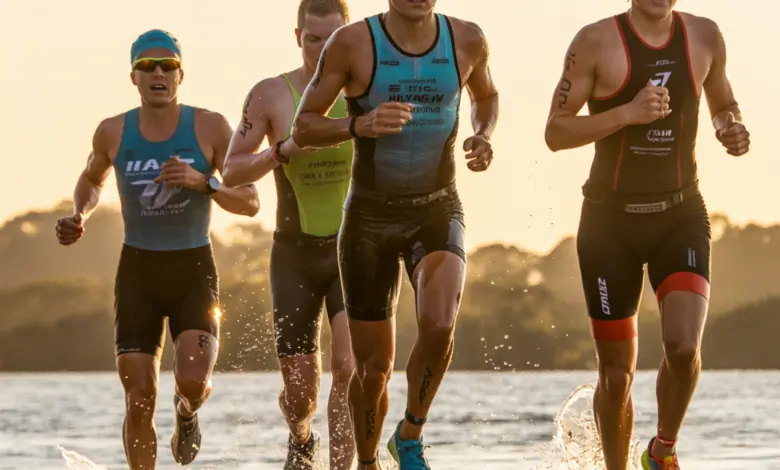
Have you ever stood on the shoreline watching wetsuits bobbing like a school of determined fish and wondered, “Could I do that?” Or pictured yourself flying down a coastal highway on your bike, then pounding the pavement with salt still on your lips? The Carolina triathlon race experience is a perfect first step—or next challenge—for athletes who crave scenic courses, competitive fields, and a race-day atmosphere that feels like a community celebration.
The Carolina Triathlon Race Experience: Where Charm Meets Challenge
From rolling inland routes to breezy coastal swims, triathlons across the Carolinas offer varied terrain that tests swim, bike, and run skills. Expect a mix of open-water and lake swims, technical bike courses with elevation changes, and run loops through parks, boardwalks, or historic downtowns. Whether you’re targeting your first sprint tri or a longer Olympic-distance event, this race experience blends challenge with southern hospitality—aid stations tend to be friendly and crowds supportive.
Course Types and Conditions
- Open-water swims (ocean or lake) with variable currents and waves.
- Road bike segments featuring coastal winds or rolling hills inland.
- Run courses ranging from flat boardwalks to shaded park loops.
Pre-Race Preparation: Training, Gear, and Nutrition
Preparation is the secret sauce of a solid race experience. A consistent plan focused on swim technique, bike power, and run efficiency—plus smart recovery—will make race day feel achievable rather than overwhelming.
Weekly Training Structure (Sample)
- Monday: Active recovery—easy swim (30–45 minutes) + mobility work.
- Tuesday: Bike intervals—5 x 5 minutes at threshold with 3 minutes easy recovery.
- Wednesday: Run brick—30 min bike + 20 min run at race pace.
- Thursday: Strength + technique—45 minutes of resistance work and drills.
- Friday: Speed swim—set of 8 x 100m with 20s rest.
- Saturday: Long ride (60–90 minutes) with varied efforts.
- Sunday: Long run (40–60 minutes) easy pace; focus on consistent cadence.
For tailored programs, check out our internal workout routines page to match volumes and intensities to sprint, Olympic or longer distances.
Gear Checklist
- Wetsuit (if water temperature warrants) and familiar swim cap.
- Well-fitted road or tri bike, helmet, and repair kit (tube, CO2).
- Race belt, tri shorts, running shoes already broken in.
- Nutrition—gels, chews, electrolyte drink; practice these in training.
Nutrition Tips for Peak Performance
Race nutrition is about timing and testing. Aim for carbohydrate-rich meals 2–3 days before the race (carb-loading sensibly), a familiar breakfast 2–3 hours pre-race, and fueling during the bike session (30–60g carbs/hour depending on length). Hydration is critical in humid Carolina conditions—sip electrolytes before and during your ride.
Read our nutrition guides for sample menus and fueling strategies that fit your event distance and sweat rate.
Race-Day Strategies: Swim, Bike, Run, and Transitions
Race day is where preparation turns into execution. Calm, focused routines in transitions and pacing confidence on each leg define many successful race stories.
Swim: Enter Calm, Exit Strong
- Warm up with a short swim and dynamic stretch if allowed.
- Start conservatively—settle into a rhythm for the first 200–400 meters.
- Use sighting drills practiced in training to stay on course in open water.
Bike: Power and Pacing
- Stick to your watts or perceived effort plan; avoid the temptation to blast the early miles.
- Handle windy coastal sections by lowering your torso and staying aero.
- Practice cornering and braking on similar road surfaces during training rides.
Run and Transitions: The Race’s Make-or-Break Moments
- Execute quick, practiced transitions—lay out gear the same way every time.
- In the run, start at a controlled pace for the first kilometer to let legs settle after the bike.
- Use short walk breaks at aid stations if needed for hydration and breathing resets.
Workout Variations and Practical Training Tips
Variation keeps training effective and reduces injury risk. Mix interval days with steady-state endurance and strength work to build resilience.
- Brick Variations: Short brick—30 min bike + 15 min run at race pace. Long brick—90 min bike + 30 min run to practice sustained efforts.
- Swim Sets: Technique day—8 x 50m drills; Endurance day—5 x 400m at steady pace; Speed day—12 x 100m with 20s rest.
- Strength Circuit: 3 rounds of deadlifts, single-leg Romanian deadlift, plank variations, and lateral lunges for triathlon-specific strength.
Real-world example: Anna, a first-timer in a coastal Carolina sprint tri, shaved 10 minutes off her previous time after adding 2 weekly brick sessions and a targeted strength plan. Small, consistent changes compound fast.
Recovery and Healthy Lifestyle Habits
Race success isn’t just training; it’s sleep, nutrition, and recovery. Prioritize 7–9 hours of sleep, use foam rolling and massage guns post-workout, and incorporate mobility sessions twice weekly. Consider active recovery swims or easy rides the day after a hard session to accelerate adaptation.
For broader lifestyle strategies, our wellness tips collection outlines sleep hygiene, stress management, and habit-based nutrition approaches designed for endurance athletes.
Frequently Asked Questions
1. What makes the Carolina triathlon race experience different from other regions?
The Carolinas offer a blend of coastal and inland race venues—expect ocean currents, humid air, and varied bike terrain. Community support tends to be strong, with many local volunteers and scenic spectator-friendly courses.
2. How should I train if this is my first triathlon in Carolina?
Focus on open-water swim practice, brick workouts to adapt to bike-to-run legs, and heat/humidity adaptation. Reduce high-intensity volume as race day approaches and prioritize consistency over sudden mileage jumps.
3. Is a wetsuit necessary for Carolina triathlons?
Wetsuit requirements depend on water temperature and race rules. Many Carolina events allow wetsuits below a certain temperature; practice in a wetsuit beforehand to ensure comfort and mobility.
Conclusion: Embrace the Carolina Triathlon Race Experience and Take Action
The Carolina triathlon race experience is for anyone who wants scenic courses, supportive crowds, and a chance to push their limits. With deliberate training, smart nutrition, practiced transitions, and recovery habits, race day will feel less intimidating and more exhilarating. Ready to start your plan? Explore our workout routines, review our nutrition guides, and implement the wellness tips to prepare like a pro. Sign up for a local event, put a training plan on your calendar, and make your next race experience a story worth sharing.
Want personalized help building a Carolina race plan? Comment below or sign up for coaching to get a tailored program that fits your schedule and goals.