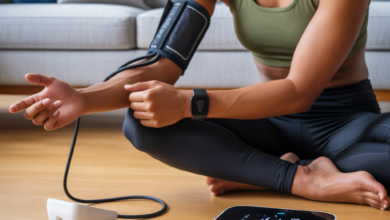
Ever finished a tough arm day, reached for your water bottle, and realized you cant extend arm after workout? That tight, locked feeling when you try to straighten your elbow is jarring—one minute you’re doing curls or heavy presses, the next your arm won’t cooperate. You’re not alone, and in most cases there are clear steps you can take to recover and prevent it happening again.
What does it feel like when you can’t extend your arm?
Symptoms vary. Some people report a sharp pinch when attempting to straighten the elbow, others describe stiffness, decreased range of motion, or a feeling of weakness. You might also notice swelling, bruising, or tenderness along the biceps or triceps. Sometimes it’s immediate; other times stiffness builds over 24–48 hours (classic delayed onset muscle soreness).
Why you cant extend arm after workout
There are several common causes for why you cant extend arm after workout. Understanding them helps you choose the right recovery steps.
Muscle strain or overuse
Overloading the biceps, triceps, or forearm muscles—especially with heavy eccentric (lengthening) work—can cause micro-tears and inflammation. The result: pain and limited extension.
Tendon irritation or tendonitis
Repetitive motions or poor form can irritate tendons at the elbow (like lateral epicondylitis or biceps tendinopathy), causing pain when you try to straighten the arm.
Joint stiffness and capsulitis
Inflammation inside the elbow joint or a brief adhesive capsulitis can reduce range of motion. This tends to feel more like a mechanical blockage or deep stiffness.
Less common but serious causes
Ruptured tendons, elbow dislocations, or trapped nerves require prompt medical attention. Seek care if you experience severe pain, popping, obvious deformity, numbness, or loss of strength.
Immediate steps: what to do right after it happens
When you first notice you cant extend arm after workout, follow a calm, practical plan:
- Stop the activity that caused the problem. Don’t push through sharp pain.
- Control swelling with brief ice sessions (10–15 minutes every 1–2 hours for the first 48 hours) if there’s acute pain or swelling.
- Gentle movement — avoid locking the elbow but try slow, pain-free range-of-motion exercises to prevent stiffness.
- Modify load — switch to lighter weights, reduced volume, or alternate exercises that don’t stress the elbow.
- See a professional if pain is severe, you can’t move your arm at all, or symptoms worsen.
Rehab and recovery: regain full extension safely
Recovery combines rest, progressive mobility, and targeted strengthening. Here’s a practical plan you can adapt.
Phase 1 — Mobility and pain control (Days 0–7)
- Gentle elbow flexion/extension within pain-free limits, 5–10 reps every few hours.
- Isometric holds for the forearm and triceps to maintain neuromuscular control without heavy movement.
- Ice for inflammation; heat later for chronic stiffness.
Phase 2 — Reintroduce load (Weeks 1–3)
- Start light concentric exercises: triceps pushdowns (low resistance), biceps curls with low weight, and controlled presses.
- Include eccentric-focused work only when pain-free; slow negative reps can strengthen tendons gradually.
- Priority: technique and control. Avoid lockout or heavy negatives until extension is pain-free.
Phase 3 — Progressive overload and prevention (Weeks 3+)
- Gradually increase load and range. Add compound pushing/pulling movements with balanced programming.
- Incorporate mobility drills and soft-tissue work (foam rolling, massage) to prevent recurrence.
- Cross-train and rotate exercises to avoid repetitive strain.
Practical fitness tips and workout variations
Small changes in your training can reduce wrist/elbow stress and prevent the scenario where you cant extend arm after workout.
- Warm up thoroughly: light band work, dynamic arm swings, and joint circles for 5–10 minutes before heavy sets.
- Use neutral grips where possible (hammer curls, neutral-grip presses) to lower tendon load.
- Control negatives: don’t let the eccentric portion of curls or skull crushers run away from you.
- Swap heavy isolation moves for compound lifts (e.g., push-ups, rows) during recovery.
- Program rest days and monitor overall volume—progressive overload should be gradual.
Healthy lifestyle advice to speed recovery
Recovery isn’t just about exercises. These habits accelerate healing:
- Prioritize sleep: 7–9 hours for tissue repair.
- Eat enough protein and anti-inflammatory foods—lean protein, omega-3 rich sources, fruits and vegetables.
- Stay hydrated and limit alcohol, which can slow recovery.
- Manage stress—chronic stress impairs healing.
When to see a doctor or physiotherapist
Most mild strains and stiffness resolve with conservative care, but seek professional evaluation if you have:
- Severe pain, sudden loss of strength, or obvious deformity.
- Numbness or tingling in the forearm or hand.
- Persistent inability to extend the arm after 72 hours or worsening symptoms despite rest.
Real-world example: a common gym scenario
One client I worked with couldn’t fully straighten his right arm after a heavy incline press session. He ignored the initial stiffness and continued training for two days, which made the pain worse. After pausing heavy pressing, using ice for the first 48 hours, and doing controlled mobility and light eccentric work guided by a therapist, he regained full extension in three weeks and adjusted his programming to avoid repeating the issue.
Frequently Asked Questions
1. Why can’t I straighten my arm after lifting weights?
It’s often due to muscle strain, tendon irritation, or joint stiffness from heavy or repetitive loading. Immediate rest, gentle motion, and icing can help; see a professional if symptoms are severe or persistent.
2. How long will it take to recover if I cant extend arm after workout?
Recovery time depends on the cause. Mild strains and DOMS often resolve in a few days to two weeks. Tendon issues or more significant injuries may take several weeks to months with targeted rehab.
3. Can I still train other body parts if I can’t extend my arm after workout?
Yes—modify workouts to avoid stressing the injured arm. Focus on lower-body, core, or unilateral movements on the opposite side. Use lighter loads and avoid exercises that force elbow extension until cleared.
Conclusion — take action and protect your gains
If you cant extend arm after workout, don’t panic. Most cases respond to prompt rest, controlled mobility, and gradual reloading. Use smart training adjustments—warm-ups, technique tweaks, and balanced programming—to prevent recurrence. If in doubt, consult a physiotherapist or physician to rule out serious injury.
Ready to rebuild with smarter programming? Check our workout routines to find elbow-friendly options, browse practical recovery tips in our wellness tips, and review nutrition essentials in our nutrition guides. If this article helped you, try the recommended mobility drills today and book a professional evaluation if symptoms persist.