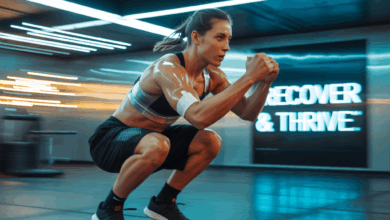
Ever started a treadmill run only to have sweat sting your eyes or a contact lens pop out mid-sprint? If you’ve ever asked “can you workout with contacts” while juggling a gym bag, keys, and tangled earbuds, you’re not alone. Whether you’re a runner, CrossFitter, yoga fan, or weekend warrior, knowing how to exercise safely with contact lenses makes all the difference between a great workout and an irritating (or risky) eye problem.
Can You Workout with Contacts? What to Know
Short answer: yes—most people can exercise with contact lenses. Contact lenses are designed to be worn during physical activity, and many athletes prefer them to glasses because they provide a wider field of vision and don’t fog up. That said, there are important safety and comfort considerations to keep in mind so your eyes stay healthy and your session stays on track.
Benefits and Risks of Wearing Contacts While Exercising
Benefits
- Unobstructed peripheral vision—great for team sports and running.
- No risk of glasses falling off or breaking during high-impact moves.
- More comfortable with helmets or goggles in some sports.
Potential Risks
- Dryness from wind, air conditioning, or heavy breathing.
- Lens displacement from sudden movements, contact, or sweat.
- Higher infection risk if lenses get contaminated (pool water, sweat, dirt).
Practical Tips for Exercising with Contact Lenses
Follow these practical tips to reduce irritation and protect your eyes during workouts:
- Choose daily disposable lenses for workouts—no cleaning needed and you throw them away after use.
- Use rewetting drops if your eyes feel dry during longer sessions (confirm the drops are contact-safe).
- Keep a small saline bottle, a contact case, and backup glasses in your gym bag.
- Avoid touching your eyes with sweaty hands; wipe sweat away with a clean towel instead.
- Consider a sports strap for glasses if you occasionally prefer specs for light workouts.
Workout Variations and Contact-Friendly Strategies
Running and Outdoor Cardio
Runners benefit from contacts because they deliver clear peripheral vision. Wear sunglasses to block wind and sun, and opt for daily disposables on dusty trails to avoid trapped debris. If you experience frequent dryness, swap to a lens with higher moisture retention or use preservative-free rewetting drops.
HIIT and Strength Training
For high-impact training, make sure lenses fit snugly. Talk to your optometrist about lenses with good stability. Keep a towel handy and avoid wiping your eyes with bare hands. If you practice heavy overhead lifts or dynamic moves, having backup glasses in your locker is smart.
Yoga, Pilates, and Low-Impact Workouts
Bending and inversions can sometimes shift lenses or cause dryness. If you notice frequent displacement during yoga, try placing a clean towel near your mat and pause to use rewetting drops if needed. Some people prefer wearing their glasses for gentler classes.
Swimming and Water Sports
Swimming with contacts is generally not recommended. Pool, lake, and ocean water can contain bacteria and parasites that attach to lenses and increase infection risk. If you must swim with vision correction, wear prescription swim goggles or remove lenses before entering the water. For surf and paddle sports, consider daily disposables and a tight-fitting mask.
How to Choose the Right Contacts for Exercise
Not all contacts are created equal for active lifestyles. Discuss these options with your eye care professional:
- Daily disposables — lowest infection risk and easiest for travel or gym use.
- Silicone hydrogel lenses — higher oxygen flow and good for longer workouts.
- Scleral lenses — may help with severe dry eyes but are less common for sports.
Real-World Examples: How Athletes Handle Contacts
Sarah, a marathoner, uses daily disposables and keeps a small bottle of rewetting drops in her running belt. She says it solves midday dryness during long runs. Marcus, a CrossFit coach, wears silicone hydrogel lenses that stay centered during box jumps; he also uses sweatbands to keep moisture out of his eyes. And Priya, a swimmer, removes contacts before practice and uses prescription swim goggles to keep vision sharp in the pool.
Healthy Lifestyle Habits to Protect Your Vision
- Stay hydrated—dehydration can worsen contact lens dryness.
- Get regular eye exams to ensure your prescription and lens fit are correct.
- Follow a balanced diet rich in omega-3 fatty acids, leafy greens, and vitamins for eye health.
- Avoid sleeping in lenses unless prescribed for overnight wear and monitored by your optometrist.
Frequently Asked Questions
1. Is it safe to wear contacts while exercising?
Yes—most people can safely wear contacts during workouts if they follow hygiene practices, use appropriate lens types (like dailies), and avoid exposing lenses to water. Consult your eye care professional for personal recommendations.
2. Can I swim with contact lenses in?
It’s best not to. Water can introduce bacteria and organisms that stick to lenses and cause infections. Use prescription swim goggles or remove lenses before swimming.
3. Which contact lenses are best for sports and gym workouts?
Daily disposable lenses and silicone hydrogel lenses are popular for active people—dailies minimize cleaning and infection risk, while silicone hydrogels allow more oxygen to the eye. Speak to your optometrist to find the best fit for your eyes and activity level.
Conclusion — Clear Vision, Safe Workouts
So can you workout with contacts? Absolutely—when you pick the right lenses, follow hygiene best practices, and adapt to your sport (avoid pool water, use drops for dryness, carry backups), contacts can make exercise more comfortable and performance-friendly. Want to build a contact-friendly fitness plan? Check out our workout routines and pair them with tips from our nutrition guides and wellness tips to train smarter and protect your vision.
Have questions about what lens type is right for your sport? Book an appointment with your eye care professional and start your next workout with confidence. If you found these tips helpful, try a daily lens trial this week and see the difference for yourself—then share your experience below!