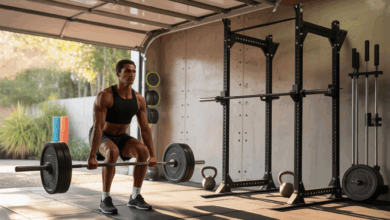
Have you ever been mid-workout and felt a sharp, worrying twinge in your chest that stopped you cold? If you’ve asked yourself, “can I workout with costochondritis,” you’re not alone. That inflammation of the chest wall can be unnerving, but with the right approach you can usually keep moving safely. This article walks you through what costochondritis is, how to modify your training, and how to build a gentle comeback plan that protects recovery and fitness gains.
What is costochondritis? A quick, friendly explainer
Costochondritis is inflammation where the ribs meet the breastbone (the costochondral joints). It often causes localized chest pain that worsens with movement, deep breaths, or pressing on the area. It isn’t a heart issue, but it can feel alarming—especially for people who live an active lifestyle. Common triggers include heavy lifting, repetitive upper-body movements, coughing, or even sudden twisting motions.
Symptoms and typical causes
- Pain that is sharp or aching and worsens with certain movements or pressure.
- Soreness that seems localized to one or several spots along the chest wall.
- Often follows intense exercise, a respiratory infection, or repetitive strain.
Can I workout with costochondritis? The short answer
Yes — in many cases you can continue exercising, but with crucial caveats: listen to your body, avoid activities that reproduce sharp pain, and prioritize healing. The goal isn’t to be stubborn about keeping your routine; it’s to maintain fitness safely through low-impact training and smart modifications.
When to stop and seek medical advice
- If chest pain is severe, accompanied by shortness of breath, lightheadedness, or radiates into the jaw/arm — stop immediately and seek urgent medical care.
- If pain persists or gets worse despite rest and modification, consult your healthcare provider or a physical therapist.
Safe exercises and modifications for costochondritis
Designing workouts around chest wall inflammation means focusing on low-impact cardio, controlled mobility, and core and lower-body strength—while either avoiding or modifying direct chest-loading movements.
Low-impact cardio and conditioning
- Walking or gentle incline treadmill: keeps circulation up without jarring the chest.
- Stationary cycling or elliptical: maintains cardiovascular fitness with minimal chest strain.
- Swimming cautiously (if pain-free): some find water buoyancy helpful, but avoid vigorous breaststroke or heavy arm pulls if they hurt.
Strength training modifications
- Skip heavy bench presses and dips while inflamed. Replace with single-arm rows, supported chest presses with light resistance, or machine work that limits chest compression.
- Use isometric holds: pressing palms together in front of your chest for short intervals can maintain muscle activation with less joint movement.
- Focus on lower-body and posterior chain: squats, lunges, Romanian deadlifts—these keep strength while sparing the chest.
Mobility and breathing exercises
- Diaphragmatic breathing: deep belly breaths reduce chest wall tension and help with pain control.
- Thoracic mobility with gentle rotations—performed pain-free—helps restore movement without aggravating the costochondral joints.
- Gentle pec stretches against a doorway, held briefly and only within a comfortable range.
Sample mini-workout for someone with costochondritis
Try this 30–40 minute session on non-painful days—adjust intensity and rest based on symptoms:
- 5–8 minutes of walking or easy cycling to warm up.
- 3 rounds: 10 goblet squats, 10 single-arm rows (light), 12 Romanian deadlifts bodyweight or light weight.
- Core circuit (2 rounds): 30-sec plank (knees if needed), 10 bird-dogs per side, 12 dead bugs.
- Cool down: 5 minutes of diaphragmatic breathing and gentle thoracic rotations.
Practical tips for recovery and long-term prevention
Healing costochondritis is about inflammation control, sensible loading, and lifestyle habits that support tissue repair.
- Rest the specific movements that trigger pain but keep general activity—complete immobilization slows recovery.
- Apply ice or heat based on what helps: ice for acute inflammation, heat for tight musculature after the acute phase.
- Manage inflammation with sleep, nutrition, and stress reduction; anti-inflammatory foods (e.g., fatty fish, leafy greens) and hydration support recovery.
- Work with a physical therapist to address posture, breathing mechanics, and targeted strengthening of supportive muscles.
- Progress gradually: increase load and range-of-motion only when movement is pain-free.
Real-world examples: how athletes adapt
Case 1: A recreational runner felt chest wall pain after upping mileage. She cut back volume, replaced two runs with cycling and maintained leg strength sessions, added breathing drills, and returned to running after 3–4 weeks without pain.
Case 2: A gym-goer who loved bench pressing switched temporarily to single-arm TRX chest presses, front-loaded leg days, and used physical therapy-guided stretches. Over six weeks she regained chest mobility and slowly reintroduced bench presses with lighter loads.
Frequently Asked Questions
1. Can costochondritis be permanent if I keep training?
Most cases resolve with rest, modification, and time. Persistent pain may indicate improper loading or another condition—see a healthcare professional for reassessment if symptoms last more than a few weeks.
2. Which exercises are absolute no-nos with costochondritis?
Avoid any exercise that reproduces sharp chest pain. Common culprits include heavy bench presses, dips, intense plyometrics that jar the chest, and repetitive overhead pressing until symptoms subside.
3. How soon can I return to my previous workout intensity?
Return gradually and pain-free. Start by reintroducing movements at a lower load and higher control, then increase intensity by 10% each week if there’s no flare-up. Collaborate with a physical therapist for a tailored plan.
Conclusion: Move smarter, not harder — and check back with your body
If you’ve been wondering “can I workout with costochondritis,” the answer is often yes—with modifications, patience, and smart recovery strategies. Protect the chest, maintain overall fitness through low-impact alternatives, and gradually reintroduce high-load chest work only when pain-free. If you’re unsure, consult a clinician or a physical therapist for a personalized roadmap.
Ready to adapt your routine? Explore our workout routines for low-impact options, browse targeted recovery tips in our wellness tips section, and check out anti-inflammatory meal ideas in our nutrition guides. If you found this helpful, try one suggested modification this week and note how your body responds—then come back and share your progress.