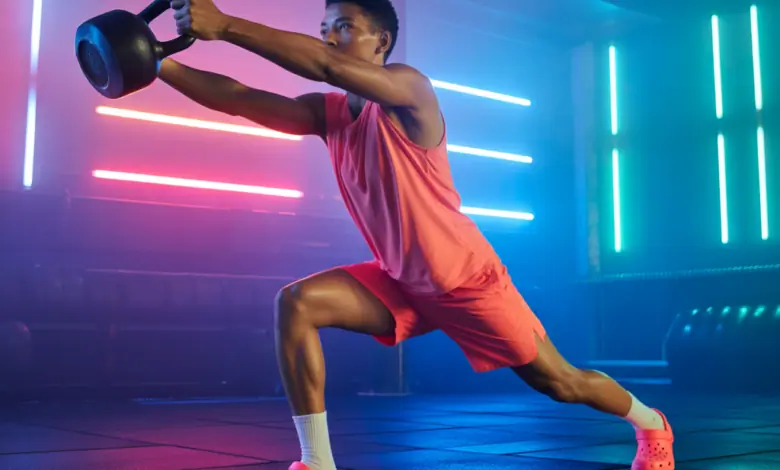
Ever stood in the gym doorway, gripping your water bottle and wondering, “can i workout in crocs?” Maybe you dashed out of the house, your favorite slip-ons were the quickest option, and suddenly you’re deciding whether to squat, sprint, or skip leg day entirely. You’re not alone—Crocs are comfy and convenient, but are they smart for exercise? This guide breaks down the risks, benefits, safe workout options, and real-world tips so you can make an informed choice.
Quick answer: When Crocs work — and when they don’t
Crocs and similar clog-style footwear are lightweight, ventilated, and great for casual wear. For low-intensity activities like walking the dog, short mobility circuits, or stretching, they can be fine. For high-impact movements, heavy lifting, or agility drills, Crocs usually lack the stability, grip, and foot support needed to reduce injury risk.
can i workout in crocs
The question “can i workout in crocs” depends on the type of workout and how your body responds. Think of footwear as part of your equipment. If your exercise demands lateral movement, barefoot-like feedback, or firm heel support, Crocs may hold you back. If you’re doing gentle recovery sessions, mobility work, or short walks, they can be acceptable for occasional use.
Pros of exercising in Crocs
- Comfortable and breathable—good for short, casual sessions.
- Easy to slip on for quick post-run cool downs or locker-room walks.
- Lightweight—minimal fatigue for non-demanding activities.
Cons and injury risks
- Poor heel lock and ankle support—higher chance of twisting or slipping.
- Limited arch support and cushioning for repetitive impact.
- Soft soles can reduce stability during lifts and lateral moves.
- Open back or loose fit increases blisters and foot slippage.
Best workouts you can safely do in Crocs
If you choose to wear Crocs, stick to lower-risk activities and follow sensible precautions.
- Gentle walking, light hiking on even trails, or quick errands.
- Mobility flows, yoga-style stretching (if the fit is snug), and foam rolling.
- Low-impact cardio like cycling on a stationary bike (with pedals that accommodate the shoe).
- Bodyweight circuits without jumping or heavy lateral shuffles—think slow lunges, bird dogs, and planks.
Workouts to avoid in Crocs
For safety and performance, avoid these while wearing Crocs:
- Running (especially outdoors or sprints).
- Heavy barbell lifts (squats, deadlifts) that require a stable platform.
- Agility drills, plyometrics, and sports that demand quick direction changes.
- Group classes with jump-based moves or rapid footwork.
Practical tips for exercising in Crocs
Follow these smart habits if Crocs are your only option:
- Choose a snug fit—use straps (if available) and avoid loose, floppy pairs.
- Avoid slippery surfaces; test traction before committing to an exercise.
- Limit sessions to low intensity and short duration to reduce fatigue-related slips.
- Combine Crocs with supportive insoles if you plan prolonged wear—this can boost arch support.
- Listen to your body: stop if you feel instability in your ankles, knees, or feet.
Footwear alternatives for better performance and safety
If you frequently exercise, it’s worth investing in task-specific shoes. Consider:
- Cross-trainers or cross-fit shoes for mixed workouts and lateral stability.
- Running shoes for road and treadmill running to provide cushioning and guidance.
- Flat-soled shoes or lifting shoes for heavy barbell work to improve ground contact and form.
Not sure which to pick? Try shoes recommended for your activity and gradually transition—your joints and muscles will thank you.
Real-world examples
I once coached a client who showed up in clogs for a beginner circuit class. We adapted the session: swapped jump squats for step-ups, removed lateral hops, and emphasized form. The workout was effective, but we agreed they’d bring proper sneakers next time. Another runner tried to finish a light jog in Crocs and came back with soreness and blisters—an immediate reminder that running requires different footwear mechanics.
Healthy lifestyle advice beyond footwear
Footwear matters, but so do habits. Warm up thoroughly, prioritize mobility and ankle stability, and include strength work to protect joints. If you alternate between Crocs and structured shoes, make sure your training includes gradual progressions to avoid overuse injuries. For nutrition and recovery strategies that support performance, check out our nutrition guides and daily recovery tips on the wellness tips page.
Frequently Asked Questions
1. Can I run short distances in Crocs?
Short, casual jogs? Not recommended. Crocs lack heel-to-toe control and sufficient cushioning for running mechanics. You can walk comfortably, but for running, choose dedicated running shoes to lower injury risk.
2. Are Crocs okay for gym classes?
It depends on the class. Low-impact classes like restorative yoga or gentle Pilates might be okay if your Crocs fit well. High-impact cardio, HIIT, or classes with plyometrics and lateral movement are better done in supportive sneakers.
3. Do Crocs cause long-term foot problems if used for workouts?
Occasional use is unlikely to cause lasting harm for low-intensity sessions. Chronic use during high-impact or heavy-lifting workouts could contribute to issues like plantar fasciitis, ankle instability, or altered gait patterns. Rotate footwear and prioritize activity-specific shoes if you train regularly.
Conclusion — can i workout in crocs?
So, can i workout in crocs? Yes—sometimes. For short, low-impact activities and recovery days, Crocs can be a convenient option. For running, heavy lifting, agility training, and most structured gym sessions, they’re not the best choice. Use good judgement: match your shoe to your activity, prioritize stability and traction, and upgrade to proper athletic footwear if you train frequently.
Ready to optimize your gear and workouts? Explore our workout routines to find sessions tailored to your shoes and goals, and start training smarter today.
Want more personalized advice about footwear for your workout plan? Leave a comment or sign up for updates to get practical tips and shoe recommendations.