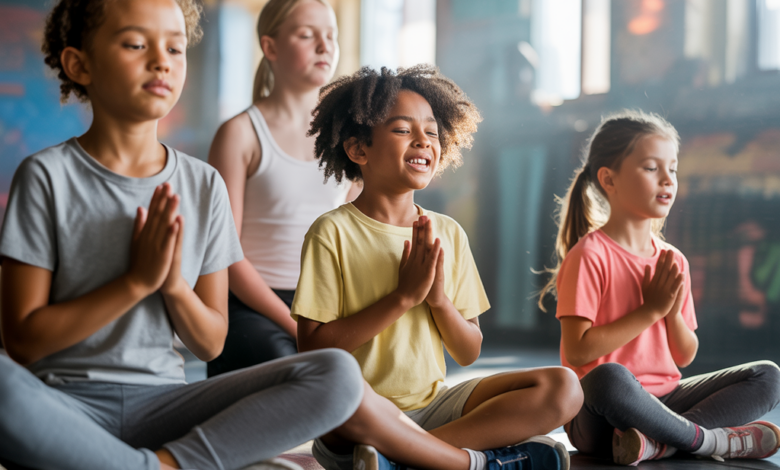
Does your child suddenly freeze before a school presentation, cling to you in the grocery line, or have trouble falling asleep because their mind won’t quiet down? You’re not alone—many parents watch their kids wrestle with rising worry and wish for a fast, gentle tool to help. Calming breathing for anxious kids is a practical, science-backed strategy you can teach in minutes and practice every day to reduce stress, build resilience, and improve focus.
Why breathing exercises work for children
Breathing is the bridge between the body and mind. When kids are anxious, their breathing often becomes shallow and fast, which can escalate heart rate and heighten panic. Teaching slow, deliberate breathing switches on the parasympathetic nervous system—the body’s natural “rest and digest” mode—helping children feel safer and more grounded. These techniques are accessible (no equipment), adaptable for different ages, and can be paired with movement to feel less clinical and more like play.
Simple calming breathing for anxious kids techniques
Below are easy-to-learn methods that work for toddlers through tweens. Practice them together so breathing becomes a shared routine rather than a chore.
Belly (diaphragmatic) breathing
- How: Lie down or sit comfortably. Place a small stuffed animal on the child’s belly. Breathe in through the nose for 3 seconds so the toy rises, then breathe out through the mouth for 4 seconds as it lowers.
- Why it helps: Encourages deep breaths, reduces chest-tightness, and gives a visual cue children enjoy.
- Tip: Start with 3–5 breaths, building to 10 as they get comfortable.
Balloon (slow exhale) breathing
- How: Pretend to blow up a balloon. Inhale for 2–3 seconds, then exhale slowly for 5–6 seconds, imagining the balloon inflating.
- Variation: Use an actual balloon for younger kids to make the practice tactile.
Square breathing (box breathing) for school or performance nerves
- How: Breathe in for 4 counts, hold for 4, breathe out for 4, hold for 4. Repeat 3–6 times.
- Use: Great for test anxiety, stage fright, or pre-game jitters.
5-4-3-2-1 grounding with breath
- How: Inhale and name 5 things you see, exhale and name 4 things you can touch, inhale name 3 sounds, exhale name 2 things you smell, finish with 1 deep belly breath.
- Why it helps: Combines mindfulness with breathing to pull attention out of worry loops.
How to make breathing practice feel like play (real-world examples)
Children respond when learning is playful. Here are quick scenarios and how to apply breathing techniques:
- Before a dentist visit: Try “balloon breathing” in the waiting room—count the slow exhale to make the time fly.
- Bedtime worries: Use belly breathing with a plush toy on the belly; the toy’s rise and fall guides the rhythm.
- After playground falls or social meltdowns: Use a short 3-breath square breathing reset before offering solutions.
Practical fitness tips and movement variations to support calm
Breath work pairs well with light movement—especially for active kids who need to channel energy before slowing down.
- Yoga poses with breath: Try child’s pose or downward dog and count 5 slow breaths to combine stretching with diaphragmatic breathing.
- Breath + cardio warm-up: Do 30 seconds of jumping jacks, then follow with 5 deep belly breaths to practice transitioning from high energy to calm—useful before bedtime or after school.
- Walking breaths: During a family walk, breathe in for 3 steps and out for 4. This promotes rhythm and can be used on the way to school or errands.
Healthy lifestyle habits that reduce anxiety
Breathing techniques are powerful, but they’re most effective when paired with supportive daily habits:
- Regular exercise: Aim for daily play or structured activity—movement lowers baseline anxiety and improves sleep.
- Consistent sleep routines: Predictable bedtimes and wind-down rituals help children regulate emotions.
- Balanced nutrition: Stabilize blood sugar with protein-rich snacks, whole grains, fruits, and vegetables to avoid irritability linked to hunger.
- Screen time boundaries: Limit stimulating screens before bed and replace with reading or calm activities.
How to teach breathing so kids actually use it
Consistency, modeling, and reinforcement make breathing stick.
- Model it: Practice the techniques yourself—children learn quickly by copying calm adults.
- Make it short: Keep early sessions to 1–2 minutes. Small wins build confidence.
- Use visuals and props: Stuffed animals, bubbles, and colorful timers help maintain focus.
- Reward practice: Sticker charts or praise for trying breathing in stressful moments reinforce use.
Signs breathing techniques may not be enough
Most kids respond to breathwork, but persistent or severe anxiety, panic attacks, significant school avoidance, or physical symptoms (chest pain, fainting) warrant professional evaluation. If you’re concerned, contact a pediatrician or mental health professional for support and guidance.
Frequently Asked Questions
1. What age can kids start calming breathing exercises?
Children as young as 3–4 can learn very simple breathing games (like balloon breaths with a toy). Elementary-aged kids can follow structured counting techniques. Tailor your approach to attention span and comprehension.
2. How often should my child practice breathing exercises?
Short daily practice—1–3 minutes once or twice a day—is ideal for building skill. Also encourage them to use the techniques whenever anxiety arises (before tests, at bedtime, or during meltdowns).
3. Can breathing replace therapy or medication for anxiety?
Breathing exercises are effective tools for immediate relief and emotional regulation but are not a replacement for therapy or medication when anxiety is moderate to severe. Use breathwork alongside lifestyle strategies, and consult professionals when symptoms persist.
Bring breathing into your family’s routine
Calming breathing for anxious kids is a low-cost, high-impact practice you can teach today. Start small: pick one technique, practice together daily for a week, and notice how your child learns to self-soothe. Combine breathwork with movement, healthy sleep and nutrition habits, and consistent modeling—and you’ll give your child a lifelong coping skill.
Ready to build a family routine that supports calm, better sleep, and more focus? Try a 7-day breathing challenge: choose one technique, practice it twice a day, and track progress with a sticker chart. For more movement ideas that pair well with breathing, check out our workout routines and for tips on fueling calm minds, visit our nutrition guides. You can also explore practical self-care strategies in our wellness tips section.
Call to action: Pick one breathing technique from this article and practice it tonight before bed—then share your child’s experience in the comments or try another method tomorrow. Small steps create lasting calm.