Calf Cramps During Leg Curls Heres Why

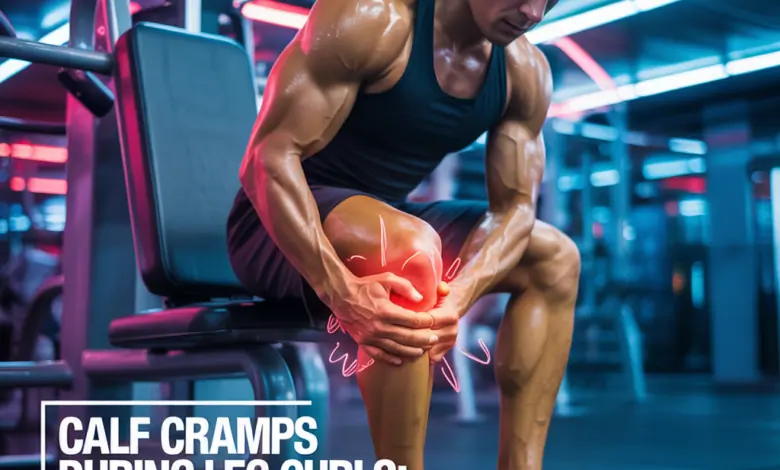
Ever been three reps into your leg curl set when a sudden, stabbing cramp rips through your calf and ruins the rest of your workout? If that sounds familiar, you’re not alone. Calf cramps during leg curls are common, frustrating, and often avoidable. In this post I’ll walk you through the real reasons this happens, simple fixes you can use mid-set, and training and lifestyle tweaks to stop cramps from coming back.
Quick overview: what’s actually happening in your calf
When you perform leg curls (seated, prone, or standing), the hamstrings are the primary movers but your calves—especially the gastrocnemius—can become active depending on ankle position, machine setup, and fatigue. A cramp is an involuntary, forceful contraction of the muscle. It can be triggered by mechanical factors (position, tension), metabolic factors (fatigue, low electrolytes), or neural factors (nerve compression or increased excitability).
Why calf cramps during leg curls heres why
Here are the most common causes in plain language:
- Ankle position and foot pointing: Plantarflexion (pointing your toes) shortens the gastrocnemius and increases its involvement. Pointed toes during curls = more calf activation = higher cramp risk.
- Overload and fatigue: Heavy sets, long workouts, or inadequate rest between sets can overstress the muscle and lead to cramping.
- Machine setup and pad placement: A poorly aligned seat or overly tight leg pads can change your joint angles and force your calf to compensate.
- Electrolyte imbalance and dehydration: Low sodium, potassium, magnesium, or poor hydration change muscle excitability.
- Tight calf muscles and mobility limits: Stiff calves and poor ankle dorsiflexion increase strain during hamstring-focused movements.
- Nerve irritation or circulation issues: Compression in the popliteal fossa (back of the knee) from straps or extreme angles can trigger cramps.
How to stop calf cramps mid-set (fast, practical fixes)
When a cramp hits, these quick actions help most people:
- Pause and gently dorsiflex the ankle (pull toes toward your shin) to lengthen the calf.
- Perform slow, controlled calf stretches: hold the stretch 15–30 seconds until the spasm eases.
- Massage the muscle or apply pressure to the cramping point to interrupt the spasm.
- Lower the weight and switch to higher reps with better form; avoid immediately attempting heavy loads.
- Rehydrate with an electrolyte-rich drink if multiple cramps occur in the session.
Training adjustments and exercise variations
Change foot position and focus
Keep the feet neutral or slightly dorsiflexed during leg curls to reduce gastrocnemius engagement. Avoid actively pointing the toes. Try consciously relaxing your calves and cue hamstring contraction.
Switch machine variations
Some people cramp more on seated leg curls than on prone or standing versions. Try these alternatives:
- Prone (lying) leg curls — often reduce calf involvement for many lifters.
- Standing single-leg curls — isolate each leg and reduce compensatory tension.
- Nordic hamstring curls or Romanian deadlifts — build hamstring strength without the same calf demands.
Modify load and tempo
Use lighter loads, increase controlled eccentric tempo, and add pauses at the top to reduce sudden overload and fatigue. Progressive overload still applies, but prioritize clean technique over ego-loading.
Mobility, prehab, and preventative habits
Incorporate these into your warm-up and recovery routine:
- Dynamic ankle mobility drills and calf raises before heavy hamstring work.
- Foam rolling or deep massage for calves and hamstrings post-session.
- Regular calf stretching (standing wall stretch, bent-knee stretch for soleus) to improve flexibility.
Nutrition and lifestyle: the often-overlooked contributors
Muscle cramping often has a metabolic component. Actionable nutrition and lifestyle tips:
- Maintain hydration — aim for steady fluid intake throughout the day, not just during workouts.
- Include potassium-rich foods (bananas, sweet potatoes, spinach), magnesium sources (nuts, seeds, whole grains), and adequate sodium if you sweat heavily.
- Consider a low-dose magnesium supplement if cramps are frequent, after checking with a healthcare provider.
- Manage sleep and stress — poor recovery increases neuromuscular excitability and cramp risk.
Real-world example: Maria’s mid-set nightmare and recovery
Maria, a recreational lifter, used to point her toes on seated leg curls to “feel the squeeze.” One day her calf cramped so badly she had to sit out the rest of the week. She switched to neutral foot position, reduced weight by 20% for two weeks, added calf stretching to her warm-up, and increased sodium intake slightly on heavy training days. The cramps stopped, and her hamstring strength improved because she could train more consistently.
When to see a professional
If cramps are severe, frequent despite these changes, or accompanied by numbness, swelling, or persistent weakness, consult a physician or physical therapist. Underlying medical issues (like peripheral neuropathy or vascular problems) need evaluation.
Frequently Asked Questions
Q: Why do my calves only cramp during leg curls and not during other exercises?
A: Leg curls can create specific joint angles and muscle lengths that engage the gastrocnemius more than other exercises. Foot position, machine setup, and fatigue during isolated hamstring work often cause calves to overcompensate, producing cramps.
Q: Can changing to prone leg curls fix calf cramping?
A: For many lifters, yes. Prone (lying) leg curls can alter the hip and knee angles and reduce calf activation. Try different variations to find what reduces your calf involvement while keeping hamstring engagement high.
Q: Are electrolytes necessary to stop calf cramps?
A: Electrolyte balance (sodium, potassium, magnesium, calcium) plays a role in muscle excitability. If you sweat heavily or have frequent cramps, improving hydration and electrolyte intake often helps. Supplements can be useful but check with a healthcare provider for personalized advice.
Conclusion — Your next steps
Calf cramps during leg curls heres why: it’s usually a mix of ankle position, fatigue, machine setup, and metabolic factors. Use the quick mid-set fixes, adjust your technique (neutral feet, lighter loads), add mobility work, and address hydration and electrolytes. Small changes typically stop cramps and let you train hamstrings more effectively and pain-free.
Ready to put this into practice? Try one training tweak in your next session—neutralize your foot, lower the weight, and add a dedicated calf warm-up—and track the results. For more exercise ideas, check out our workout routines, tweak your fueling with tips in our nutrition guides, and improve recovery using our wellness tips. If cramps persist, consult a professional to rule out underlying causes.
Want more personalized guidance? Leave a comment with your setup and symptoms and I’ll help you troubleshoot.