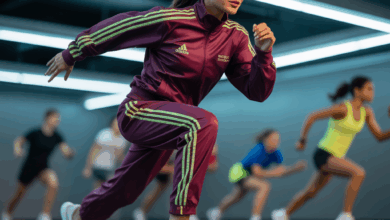
Ever get to the top of a flight of stairs or the last rep and feel like you can’t catch your breath? What if the difference between finishing strong and tapping out early was something as simple as how you breathe? Breathing during exercise isn’t just an afterthought—it’s a performance tool that helps you move farther, lift heavier, and recover faster.
Why breathing during exercise matters
Proper breath control affects oxygen delivery, core stability, and muscle endurance. Whether you’re running intervals, pressing a heavy barbell, or flowing through yoga, efficient breathing reduces fatigue, lowers injury risk, and improves focus. Think of your breath as a built-in engine: optimize it and everything runs more smoothly.
Common breathing techniques and when to use them
Diaphragmatic (belly) breathing
Diaphragmatic breathing uses the diaphragm rather than shallow chest muscles. This increases oxygen intake and calms the nervous system—great for endurance sports, cooldowns, and stress control.
Rhythmic breathing for running and cardio
Rhythmic breathing (for example, a 2:2 or 3:2 inhale-to-exhale ratio) helps synchronize breath with stride, improves oxygen efficiency, and prevents side stitches. Try a 2:2 pattern on easy runs, and switch to 3:2 or deeper breaths for harder efforts.
Breath timing for strength training
In strength work, timing your breath supports intra-abdominal pressure and spinal safety. The general rule: inhale on the easier part of the rep, exhale during the effort (e.g., inhale as you lower on a squat, exhale as you drive up). For maximal lifts, a controlled Valsalva (brief breath hold) can stabilize your core—use carefully and avoid if you have high blood pressure or heart issues.
Paced breathing for HIIT and circuits
During high-intensity interval training, focus on quick nasal or mouth breathing to maintain cadence, then employ deeper diaphragmatic breaths during rest intervals. This practice speeds recovery between sets and keeps your heart rate manageable.
Practical tips to improve your breath control
- Practice diaphragmatic breathing daily for 5–10 minutes to build a stronger respiratory pattern.
- Warm up with controlled breathing drills (box breathing, 4-4-4-4) to prime the nervous system.
- Match breath to movement: inhale on expansion/relaxation, exhale on contraction/exertion.
- Use nasal breathing for low-intensity steady state workouts to improve CO2 tolerance and oxygen uptake.
- Train breathing under load—practice breath timing during lighter lifts before applying to heavy sets.
- Improve posture and core strength; a strong core supports better diaphragmatic motion.
Workout variations and real-world examples
Here are simple ways to apply breathing strategies across common training scenarios:
Running: from 5K to long runs
Short tempo run: use a 2:2 or 2:1 inhale-to-exhale pattern to match intensity. Long slow runs: nasal breathing or a relaxed 3:3 pattern conserves energy and reduces breathlessness. Example: If you hit wall at mile 6, slow your pace and focus on deep belly breaths for a few minutes—many runners regain composure quickly.
Strength training: squats, deadlifts, presses
Squat practice: inhale before you descend, hold briefly for stability, then exhale as you stand. For a heavy deadlift, brace your core, take a deep breath into the belly, hold while lifting, and exhale once the lockout is secure. This reduces spinal stress and improves force transfer.
HIIT and CrossFit-style workouts
During AMRAPs or EMOMs, keep breaths short and rhythmic. Between rounds, employ purposeful deep inhalations and extended exhales to speed recovery. Example: after a set of burpees, take two deep diaphragmatic breaths to lower heart rate before the next round.
Yoga and mobility
In yoga, breath drives movement—use ujjayi or slow inhales and exhales to increase proprioception and calm the mind. Incorporate breathwork into mobility days to improve joint range and reduce tension.
Healthy lifestyle habits that support better breathing
- Sleep well: restorative sleep aids respiratory recovery and energy.
- Hydrate: mucous membranes stay healthy, easing airflow.
- Nutrition: iron and B vitamins support oxygen transport—check your diet if you feel unusually short of breath.
- Quit smoking and minimize pollutants to preserve lung function.
- Manage stress with meditation and mindful breathing to reduce shallow chest breathing patterns.
How to practice breathwork—simple drills
- Belly breaths: 4 seconds inhale through the nose, 6 seconds exhale through the mouth. Repeat 8–10 times.
- Box breathing: inhale 4, hold 4, exhale 4, hold 4. Use pre-workout to focus.
- Resistance nasal breathing: breathe through the nose against slight resistance to improve respiratory muscle strength (use for low-intensity days).
Breathing During Exercise: Tips for Beginners
Start slow. If you’re new to breath control, practice during walking or light cycling. Build awareness—notice whether you breathe from your chest or belly. Then apply patterns to heavier sessions as you feel comfortable. Small changes compound quickly: within weeks you’ll likely notice less fatigue and better recovery.
Frequently Asked Questions
1. Should I breathe through my nose or mouth while exercising?
Nasal breathing is efficient for low to moderate intensity as it filters and humidifies air and improves CO2 tolerance. During high-intensity efforts, mouth breathing allows for faster air exchange. The key is to use nasal breathing for easy sessions and purposeful mouth breathing when you need maximal oxygen flow.
2. Can improving my breathing make me faster or stronger?
Yes. Better breathing increases oxygen delivery, improves stamina, and enhances core stability—translating to faster runs, more reps, and safer lifts. Consistent practice of breathwork and correct inhalation/exhalation timing can yield measurable performance gains.
3. How do I avoid side stitches when running?
Side stitches often stem from shallow, irregular breathing or a sudden increase in intensity. Slow your pace, lengthen exhalations, and use diaphragmatic breathing. Adjust your foot strike and posture, and practice rhythmic breathing to sync breath with strides.
Conclusion — Take control of your breath
Breathing during exercise is a simple, powerful tool that most people overlook. Improve your breath mechanics and you’ll likely boost endurance, increase strength, and feel more in control during every workout. Start practicing diaphragmatic breathing, match breath to movement, and make mindful breathing part of your training routine. Ready to apply these tips? Try a breath-focused warm-up in your next session and explore our workout routines to find sessions built around breath control. For fueling and recovery guidance, check our nutrition guides, and for daily habits to support respiratory health, visit wellness tips.
Want a quick breathing drill to do right now? Take five deep belly breaths, slow your exhales, and notice how your body responds—then bring that calm, efficient breathing into your next workout.