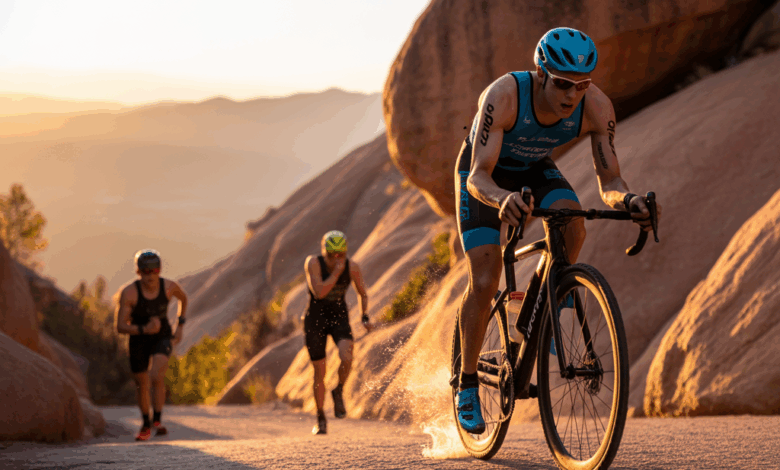
Have you ever imagined crossing a finish line while the sky melts into orange and purple, breath steaming in the cool evening air? If the idea of a sunset finish line sends a thrill through you, the Boulder Sunset Triathlon Race might be the perfect challenge. Whether you’re a first-timer seeking a memorable race or an experienced triathlete chasing a personal best, this guide will walk you through race-day expectations, practical workouts, and lifestyle tips to get you to that podium (or that perfect post-race sunset selfie).
Boulder Sunset Triathlon Race: What to Expect
The Boulder Sunset Triathlon Race typically combines an open-water swim, a scenic bike through foothills or flat valley roads, and a run that may finish as the sun sets behind the Flatirons. Distances can vary from sprint to Olympic or local variations, so check event details. Expect variable light conditions, cooler evening temperatures, and a crowd that’s as enthusiastic about community vibes as they are about performance.
The course and conditions
- Open-water swim tips: practice buoy sighting and mass starts.
- Bike route: watch for changes in elevation and rolling winds.
- Run finish: plan for fading light—consider reflective gear or a headlamp for the cool-down.
Build a Boulder Sunset Triathlon Race Training Plan
A balanced plan focuses on swim, bike, run, transitions, strength, and recovery. Below is a sample 8-week block for a sprint distance. Modify for Olympic or longer races.
Sample 8-week sprint training (3–5 sessions/week)
- Weeks 1–3: Base building — 2 swims (technique + endurance), 2 bikes (one interval, one long steady), 2 runs (easy + tempo), 1 strength session.
- Weeks 4–6: Intensity — add brick sessions (bike-to-run), speed intervals, open-water swims or lake practice, continue strength twice weekly (lighter loads).
- Weeks 7–8: Taper — reduce volume, keep intensity short, focus on race-specific pace and transitions.
Key sessions to include weekly: a brick (40–60 min bike + 15–30 min run), one interval bike session (e.g., 5 x 4 min at tempo), and a technique swim with drills (pull, kick, sighting).
Practical Workouts and Variations
Beginner-friendly options
- Swim: 20–30 minutes continuous pool time, alternate easy and moderate laps.
- Bike: 30–45 minutes steady cadence on flat routes, focus on pedaling smoothness.
- Run: 20–30 minute run/walk intervals (2:1 run:walk).
Advanced variations
- VO2 intervals: 5 x 3 minutes hard on bike or run with equal recovery.
- Threshold bricks: 30–45 minute tempo bike + 20-minute tempo run at race pace.
- Open-water sighting sets: 10 x 100m with sighting every 25m to simulate race conditions.
Nutrition, Recovery, and Lifestyle Tips
Race performance is as much about what you do outside training as inside it. Prioritize sleep, fueling, and stress management to arrive at the Boulder Sunset Triathlon Race ready to perform.
- Pre-race fueling: focus on low-fiber carbs 2–3 hours before the start; practice your race nutrition during long workouts.
- During the race: on sprint races, water or a small gel may suffice; for longer races, plan 30–60g carbs/hour using gels or sports drink.
- Hydration: hydrate well in the day leading up to the race—electrolyte drinks in the heat or if you sweat heavily.
- Sleep and recovery: aim for 7–9 hours nightly, and include one full rest day per week to prevent overtraining.
- Cross-training and strength: two short strength sessions per week with a focus on core, hips, and unilateral work reduce injury risk and improve efficiency.
For more detailed meal timing and race fuel recipes, see our nutrition guides.
Race-Day Strategy for a Sunset Finish
- Warm-up: 10–15 minute dynamic warm-up and short swim if allowed—prepare your body rather than overexert.
- Transitions: practice a quick transition setup and a 1–2 minute T1/T2 checklist to shave off seconds.
- Pacing: start conservatively on the bike to avoid a lactic spike—save energy for a strong run.
- Visibility and gear: bring a small headlamp or reflective vest for post-finish cool-down if light drops quickly; have a lightweight jacket to avoid chills.
Mental tactics
Split the race into manageable sections: swim to the first buoy, hold power on the bike for each climb, and run to the next mile marker. Visualization—imagine that sunset finish—and positive self-talk are powerful tools on race day.
Real-World Example: How a Local Athlete Prepped
Sarah, a working professional in Boulder, trained 8–10 hours weekly using targeted sessions around her job schedule. She prioritized a weekly brick, a long swim on Saturdays, and two strength sessions. By practicing open-water swims at the local reservoir and rehearsing quick transitions, Sarah felt confident on race day and finished smiling as the sun dipped behind the foothills. Her secret: consistency, strategic rest, and practicing nutrition exactly as planned.
If you want structured sessions similar to Sarah’s plan, check out our workout routines designed for busy athletes.
Gear Checklist for a Boulder Sunset Triathlon Race
- Tri suit or kit, wetsuit if water temps require
- Bike in good working order, spare tube, pump/CO2
- Running shoes and quick-lace system
- Race belt, sunglasses for the bike, light jacket for post-race
- Nutrition: gels, electrolyte tabs, bottle(s)
Frequently Asked Questions
Distances can vary by year and organizer—most events offer sprint and sometimes Olympic distances. Check the specific race details for swim, bike, and run lengths and whether it’s open-water or pool swim.
If you’re a beginner, allow 8–12 weeks of consistent training that builds up swim, bike, and run volumes gradually. Experienced triathletes may prepare in 6–8 weeks focusing on speed and race-specific bricks.
Practice in low-light conditions if possible, bring a small light for post-race, layer for temperature drops, and rehearse transitions in dusk lighting to get comfortable with changing visibility.
Conclusion: Ready for the Boulder Sunset Triathlon Race?
Whether you’re chasing a personal best or a bucket-list sunset finish, the Boulder Sunset Triathlon Race offers an unforgettable mix of community, challenge, and scenic beauty. Start with a clear training plan, prioritize recovery and race nutrition, practice transitions and open-water skills, and arrive on race day confident and calm. Want structured workouts or meal plans to get you there? Explore our workout routines and nutrition guides, and check our wellness tips for recovery and sleep strategies. Sign up, train smart, and see you at the finish line as the sun goes down!