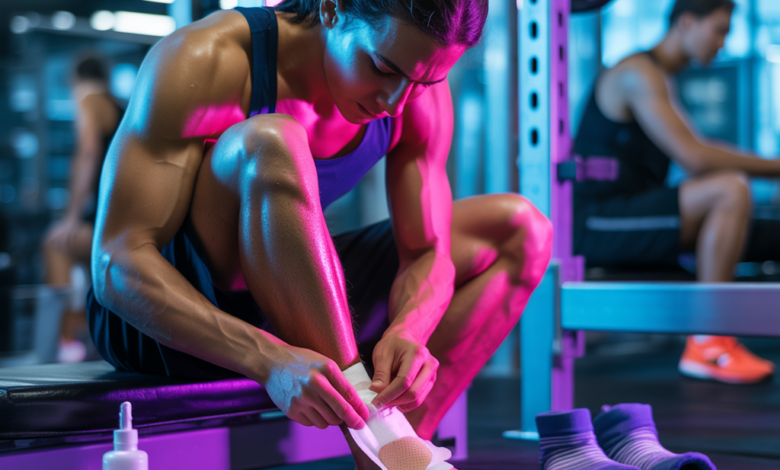
Ever had to cut a long run short because a hot spot turned into a painful blister? Or skipped a climb because a new callus went rogue? If you’ve ever wondered how to care for, prevent, and treat those annoying friction blisters, these blister treatment tips will get you back to training faster and more comfortably.
Why blisters happen and why they matter
Blisters are small pockets of fluid that form when friction, pressure, heat, or moisture damages the top layers of skin. For athletes, hikers, weightlifters, and everyday walkers, blisters are more than a nuisance — they can derail progress, cause infection, or lead to compensatory injuries when you change your gait. Understanding the cause is the first step to effective blister care and prevention.
Quick-first-aid: immediate blister treatment tips
When you notice a hot spot or a blister starting, quick action reduces pain and speeds healing. Use these practical, immediate steps:
- Stop the activity and clean the area with mild soap and water.
- Cover small, intact blisters with a sterile adhesive bandage or hydrocolloid blister patch to cushion and protect.
- For larger, painful blisters that interfere with activity, consider safe drainage: sterilize a needle with rubbing alcohol, make a small puncture at the edge, gently press fluid out, and cover with an antibiotic ointment and blister pad. Always wash hands first.
- Avoid removing the blister roof—keeping the skin intact protects underlying tissue.
- Watch for signs of infection: increasing redness, warmth, pus, or fever — seek medical care if these occur.
Preventive strategies: keep blisters at bay
Prevention is the best treatment. These blister prevention tips help most athletes and active people avoid the pain and downtime that blisters cause.
Right footwear and fit
Ill-fitting shoes are the most common cause. Make sure shoes have enough toe room, secure heel hold, and appropriate width. Break in new shoes gradually—wear them for short walks before long runs or hikes.
Sock selection and layering
Invest in moisture-wicking socks—synthetic blends or merino wool—and consider double-layer socks or thin liner socks to reduce friction. Avoid cotton, which traps moisture and increases rubbing.
Lubrication and taping
Use friction-reducing balms or petroleum jelly on known hot spots before long workouts. For planned long outings, apply kinesiology tape or moleskin to areas that commonly blister.
Gradual mileage and conditioning
Build training volume slowly to allow skin to harden and calluses to form in a healthy way. Cross-train with low-friction activities like cycling or swimming when recovering from a blister.
Blister care for different activities
Different sports stress the skin differently. Tailor your approach based on activity:
Runners and walkers
- Use snug-fitting running shoes and arch-support socks.
- Apply anti-chafe balm to toes and heels for long runs.
Hikers and backpackers
- Break in boots with short hikes and keep feet dry—carry two pairs of socks for changes mid-hike.
- Use blister-specific bandages for high-friction spots inside boots.
Weightlifting, rowing, and climbing
- Maintain calluses with emery boards and trimmed edges to prevent tearing.
- Use gloves or tape for heavy or high-rep sessions where grip creates friction.
At-home remedies and supplies to keep on hand
Create a simple blister care kit to manage problems quickly:
- Hydrocolloid blister patches and moleskin
- Sterile gauze, adhesive bandages, and medical tape
- Rubbing alcohol or antiseptic wipes and a sterilized needle (for optional drainage)
- Antibiotic ointment and pain relievers
- Moisture-wicking socks and blister prevention balm
Real-world example: how one runner recovered fast
Maria, a marathoner, felt a hot spot at mile 10 during a long training run. She stopped, applied a hydrocolloid patch, changed to dry socks from a drop bag, and finished the run at an easy pace. That same evening she cleaned the area, kept the patch on overnight, and adjusted shoe lacing to reduce heel slip for the next run. The blister never fully ruptured and healed within a week — a great example of quick recognition and conservative care.
When to see a healthcare professional
Most blisters heal with home care, but see a clinician if you notice:
- Signs of infection (increasing pain, redness, warmth, pus, or fever)
- Large blisters from burns or chemical exposure
- Repeated blistering without clear cause—this may indicate a footwear issue or a skin condition
Blister treatment tips for long-term foot health
Incorporate these lifestyle habits to reduce blister recurrence and improve overall skin resilience:
- Maintain proper foot hygiene—keep feet dry and nails trimmed.
- Rotate shoes—don’t wear the same pair every day so materials can dry out.
- Include foot-strengthening exercises and mobility work in your routine to improve gait and reduce abnormal pressure points.
- Eat a balanced diet rich in vitamins and protein to support skin repair—see our nutrition guides for ideas.
Training around blisters: workout variations
If a blister sidelines a specific movement, adjust your training instead of stopping entirely:
- Lower-body blister? Swap running for cycling or swimming for a few days.
- Hand blister from grip work? Substitute with machines, straps, or lower-rep sets.
- Use low-impact cardio, mobility sessions, or targeted strength training to maintain fitness while skin heals.
Explore alternative programs in our workout routines section for ideas on staying consistent without aggravating a blister.
Frequently Asked Questions
1. Should I pop a blister or leave it intact?
Leave small, unbroken blisters intact and protect them with a blister patch. If a blister is large and painful, sterile drainage can relieve pressure—after sterilizing a needle and the area. Keep the roof of the blister in place and cover with a dressing. Consult a professional if you’re unsure.
2. What’s the best home remedy for a blister?
Hydrocolloid patches (blister bandages) are one of the best home remedies—they cushion, absorb fluid, and create an ideal healing environment. Moisture-wicking socks, moleskin, and anti-chafe balms also help prevent and manage blisters.
3. How do I prevent blisters during long hikes or races?
Prevent blisters by choosing well-fitting footwear, using moisture-wicking socks (carry spares), applying anti-friction balm to hot spots, and taping or pre-applying moleskin to common trouble areas. Gradual training and breaking in gear help a lot too.
Conclusion — Take control of blisters and keep moving
Blisters can be a setback, but with the right blister treatment tips and prevention strategies, they don’t have to stop your progress. Start by recognizing hot spots, carrying a small blister kit, choosing proper shoes and socks, and adjusting workouts when needed. If you want tailored plans, check our wellness tips and start protecting your skin today. Try these tips on your next workout and share what works for you — your feet (and future self) will thank you.
Call to action: Ready to avoid blisters on your next adventure? Bookmark these blister treatment tips, update your blister kit, and explore our workout routines and nutrition guides to support faster recovery and stronger skin.