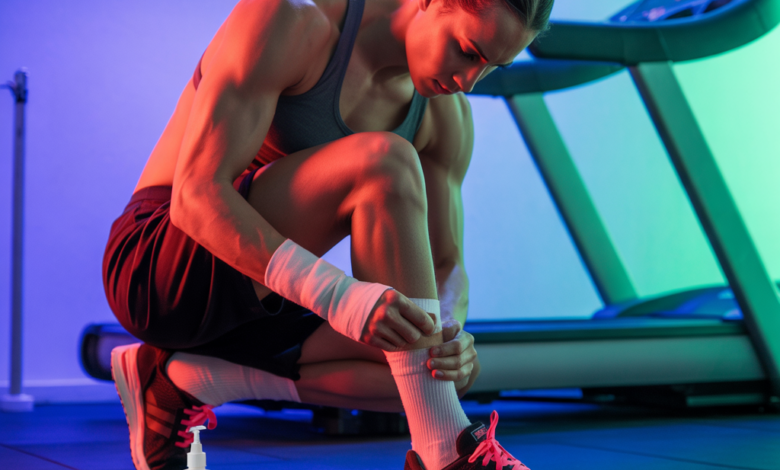
Ever had a hot, painful bubble form on your heel halfway through a long run or discovered a raw spot under your palm after a tough rowing session? Blisters can feel small but derail training, hikes, and everyday life. If you want fast relief and practical prevention strategies, these blister treatment tips will help you get back to your workouts without missing a beat.
Why Blisters Happen (and Why They’re So Annoying)
Blisters are pockets of fluid that form between layers of skin because of friction, pressure, heat, or a combination of these factors. Common causes include ill-fitting shoes, new socks, repetitive motions (like kettlebell swings or rowing), and moisture buildup. Understanding the cause makes it easier to treat them and prevent recurrences.
Top Blister Treatment Tips for Runners, Hikers, and Gym-Goers
These practical, evidence-backed strategies will reduce pain, speed healing, and keep your training on track.
Immediate First-Aid Steps
- Clean the area gently with soap and water to remove dirt and sweat.
- For small, intact blisters: cover with a padded adhesive bandage (hydrocolloid dressings are excellent) to cushion and protect.
- For large, painful blisters that impair activity: consider sterile drainage (see safe drainage below) followed by a protective dressing.
How to Pop a Blister Safely (When Necessary)
If a blister is large, extremely painful, or likely to continue catching on shoes or equipment, you can drain it carefully:
- Wash your hands and boil a needle or use an alcohol swab to sterilize.
- Pierce the edge of the blister gently and press the fluid out—leave the overlying skin as a natural bandage.
- Apply an antiseptic and cover with a sterile, cushioning dressing (hydrocolloid or foam pad).
Do not remove the skin flap; it speeds healing and reduces infection risk. If you see redness spreading, increasing pain, pus, or fever, seek medical care.
Best Dressings and Products
- Hydrocolloid dressings: excellent for cushioning and creating a moist wound-healing environment.
- Sterile adhesive bandages: good for small blisters in low-friction spots.
- Foam padding or moleskin: use around a hot spot to prevent rubbing.
- Antibiotic ointment: use sparingly after drainage, then cover—avoid overuse to prevent irritation.
Prevention Strategies: Long-Term Blister Care
Prevention is the most effective treatment. These tips help you avoid blisters from the start.
Footwear and Sock Choices
- Choose properly fitted shoes—about a thumb’s width of toe room for runners and hikers.
- Opt for moisture-wicking, seamless socks (synthetic blends, merino wool) and consider double-layer socks for long outings.
- Break in new shoes gradually: wear them for short walks or light workouts before long runs or hikes.
Modify Technique and Equipment
- Runners: gradually increase mileage to avoid sudden friction changes; consider gait analysis if hotspots persist.
- Weightlifters: use lifting straps, gloves, or tape to protect palms during high-volume or high-frequency sessions.
- Hikers: use toe caps, blister pads, or adjust lacing patterns to reduce shear forces on feet.
Train Your Skin and Build Resilience
Gradual exposure helps your skin toughen. For example, increase long-run distance by no more than 10% per week, and incorporate short back-to-back sessions during training blocks to build resilience without overloading tissue.
Workout Variations and Lifestyle Tips When You Have Blisters
Don’t let a blister stop your fitness progress—adjust smartly.
Low-Impact Alternatives
- Swap running for cycling, swimming, or rowing while your foot heals.
- Perform seated strength training for lower-body work—leg presses, seated hamstring curls, and single-leg extensions are good choices.
Cross-Training and Active Recovery
Focus on mobility, core stability, and upper-body training when foot blisters limit weight-bearing activities. For example, a 20-minute kettlebell circuit and mobility flow keeps fitness high without stressing the injured area.
Real-World Examples: What Worked for Others
– A marathon runner switched to thin, moisture-wicking socks and used a preventative hydrocolloid patch on a recurrent hotspot; they finished their training cycle blister-free.
– A hiker who kept getting heel blisters adjusted boot lacing, added heel pads, and alternated sock types; long-distance treks became manageable.
– A CrossFit athlete taped their thumbs and used grip-friendly chalk, eliminating repeated palm blisters during high-rep pull-ups.
When to See a Doctor
Most blisters heal with basic at-home care, but consult a healthcare provider if:
- Signs of infection: increasing redness, warmth, pus, or spreading streaks.
- You have diabetes, poor circulation, or compromised immune function—these conditions increase infection risk and warrant professional care.
- Pain or dysfunction persists despite conservative treatment.
Frequently Asked Questions
1. Should I pop a blister or leave it alone?
Leave small, intact blisters alone and protect them with a sterile dressing. Only drain large, painful blisters if necessary and do so using a sterile technique. Keeping the overlying skin in place speeds healing and reduces infection risk.
2. How long does a blister take to heal?
Most blisters heal in 3–7 days with proper protection and reduced friction. Larger blisters or those that become infected can take longer and may require medical treatment.
3. What’s the best way to prevent blisters during long hikes?
Use well-fitting boots, moisture-wicking socks, and preventative patches on known hotspots. Break in footwear gradually, adjust lacing to secure the heel, and stop early at the first “hot spot” to apply padding—addressing it immediately often prevents a full blister.
Conclusion: Take Action with These Blister Treatment Tips
Blisters are a common setback, but with the right blister treatment tips—early care, safe drainage when needed, quality dressings, and smart prevention—you can heal quickly and keep training. Start today by inspecting your footwear, upgrading socks, and packing a small blister kit for workouts and hikes. Want structured guidance on rebuilding fitness while protecting your skin? Check our workout routines and explore our wellness tips for more practical strategies.
Have a blister story or a tip that worked for you? Share it in the comments below and help others stay blister-free.