Ever stood on race morning, heart thumping, helmet in hand, and wondered if your bike will carry you to a personal best—or cramp your day with avoidable mistakes? If you’ve ever felt that surge of doubt as you click into your pedals, you’re not alone. A race-ready bike blends comfort, speed, and confidence. This guide walks you through everything you need to know so your bike for a triathlon race day becomes your competitive advantage.
Why the right bike matters on race day
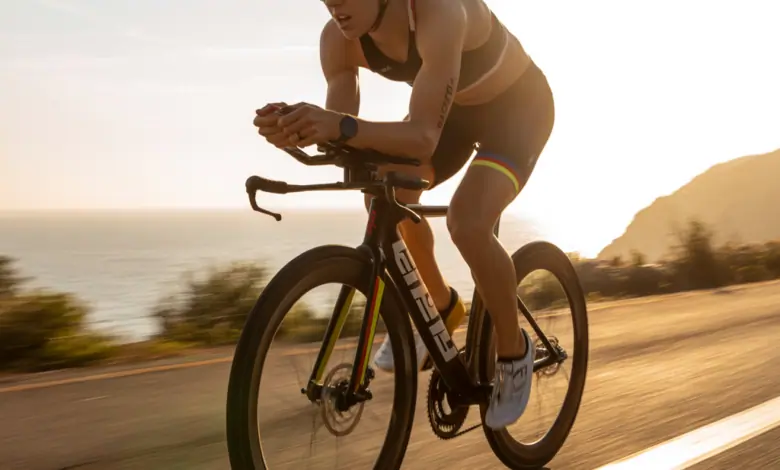
Whether you’re using a dedicated triathlon bike, a time trial rig, or a road bike with clip-ons, the machine between your legs affects power output, aerodynamics, and energy conservation for the run. A well-fitted bike reduces fatigue, improves handling, and helps you execute a race-day strategy that gets you to the finish line faster and fresher.
Bike for a triathlon race day: pre-race checklist and setup
Before you roll to the start line, run through a compact, practical checklist so nothing surprises you mid-race. Here’s a race-focused setup that pros and age-groupers use:
- Bike fit and position: Check saddle height, cleat position, and reach. A few minutes of adjustment can save watts and prevent knee pain.
- Tires and pressure: Inflate to the optimal PSI based on tire size, rider weight, and road conditions. Inspect for cuts or embedded glass.
- Brakes and drivetrain: Quick safety check—clean chain, shifting smooth, brakes responsive.
- Aero setup: Secure aero bars, tapes, and extensions. Make sure hydration and gels are accessible without compromising position.
- Tools and spares: Carry a multi-tool, spare tube or repair kit, CO2 or pump, and quick links or chain tool if you can use them.
- Comfort items: Chamois cream, sunglasses, sunscreen, and a small towel for transition.
Training tips and bike workouts that mirror race demands
Specificity matters. Train on the bike in ways that mimic race-day intensity, terrain, and transitions.
Brick workouts (bike-to-run)
Perform 1–2 bricks per week during peak training: 45–90 minutes on the bike at race pace immediately followed by a 15–30 minute run. This conditions your legs for the odd sensation at T2 and helps dial in pacing strategy.
Interval sessions for race speed
- VO2 max intervals: 5 x 3 minutes hard with 3 minutes easy—improves top-end power.
- Threshold work: 2 x 20 minutes at FTP (Functional Threshold Power) with 10 minutes rest—builds sustained race pace.
- Short sprints: 10 x 30 seconds all-out with 90 seconds recovery—boosts accelerations and surges.
Handling and group skills
Practice cornering, descending, and riding in small packs if your race allows drafting. Confidence on technical sections saves time and reduces stress on race day.
Nutrition and hydration strategies for the bike leg
Fueling on the bike is about hitting calories and electrolytes without upsetting your stomach. Tailor this to race distance:
- Sprint/Olympic: Aim for 20–40 g carbs per hour, mostly from gels or a sports drink.
- Half/full Ironman: 60–90 g carbs per hour, multiple carbohydrate sources (glucose + fructose) and electrolyte replacements.
- Practice your nutrition on training rides to find what your gut tolerates—never try a new gel on race day.
Bike handling, aerodynamics, and small gains that add up
Small optimizations compound into significant time savings. Consider:
- Proper helmet and clothing fit to reduce drag.
- Maintain an aero tuck that you can hold comfortably for long durations.
- Use skin-friendly tape configuration and saddle padding to avoid hotspots.
- Wheel choice: reliable, aerodynamic wheels versus deep-section for windy courses—choose based on conditions and comfort.
Real-world examples: race-day lessons from amateur triathletes
Sarah, an age-group triathlete, improved her half-Ironman bike split by 12 minutes after a bike fit and switching to clip-on aerobars. She combined targeted threshold intervals and practiced nutrition, ensuring she didn’t bonk on the run. Mark focused on handling drills and reduced cornering time in a hilly sprint race, moving up several age-group spots.
Race morning routine and final checks
Follow a calm, repeatable routine to reduce stress:
- Arrive early and set up transition with a mock run-through.
- Warm up on the bike for 10–20 minutes including 3–4 short efforts to open lungs and legs.
- Re-check tire pressures, chain lube, and that nutrition is in place.
- Visualize the bike course—where to push and where to conserve.
Frequently Asked Questions
1. Can I use a regular road bike as my bike for a triathlon race day?
Yes. Many age-groupers use road bikes with clip-on aero bars or minor adjustments to achieve a more aerodynamic position. A proper fit and practiced aero posture can yield great results without a dedicated tri bike.
2. How do I avoid cramping on the bike during a triathlon?
Prevent cramping by staying well-hydrated, consuming electrolytes, practicing your race-day nutrition during training, and maintaining a balanced cadence (80–95 rpm). Strength work off the bike and good sleep leading into race day also reduce cramp risk.
3. What are the most common mechanical issues and how can I prepare?
Flat tires and chain drops are the most common. Prepare by carrying a spare tube or repair kit, practicing roadside fixes, keeping your drivetrain clean and well-lubed, and checking bolts and brakes before the race.
Final thoughts and call to action
Your bike for a triathlon race day is more than equipment—it’s a training partner. With a solid pre-race checklist, targeted workouts (like bricks and intervals), practiced nutrition plans, and attention to bike fit and handling, you’ll turn nervous energy into a confident performance. Ready to build your perfect race-week plan? Check out our workout routines, refine fueling with our nutrition guides, and keep recovery sharp through smart wellness tips. Lace up, clip in, and let’s make your next race day your best one yet—start your preparation today.