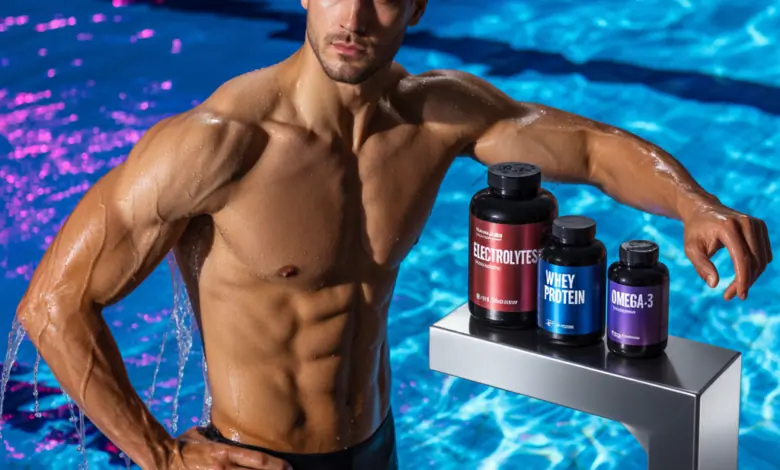
Ever finished a hard set and wondered why your legs feel like lead while teammates bounce back? Or stared at the supplement aisle and wished someone would tell you exactly what works for swim training, not just general fitness? Whether you’re a competitive swimmer, triathlete, or a masters athlete training for a personal best, choosing the right sports nutrition can make a measurable difference. This guide breaks down the best supplements for swimmers—what helps with endurance, which ones speed recovery, and how to use them safely so you can get back to the pool stronger.
Why swimmers consider supplements
Swim training demands a unique blend of aerobic endurance, power, and repeated high-intensity efforts. Good nutrition covers most needs, but targeted supplements can fill gaps, accelerate recovery, and enhance performance during high-volume training blocks. Think of supplements as tools in your training kit—useful when selected and timed properly, unnecessary (or even harmful) if overused.
Top choices: Best supplements for swimmers
Below are evidence-backed supplements commonly used by swimmers. Each entry includes what it supports, suggested dosing ranges, timing tips, and who benefits most.
1. Whey protein (or plant-based protein)
What it does: Supports muscle repair and growth, especially after resistance or sprint sessions. Practical for swimmers who train multiple times daily.
- Suggested dose: 20–30 g within 30–60 minutes post-workout.
- When to use: After morning swims, strength sessions, or long workouts when whole-food protein isn’t available.
- Real-world tip: A college swimmer I coached uses a protein shake between double sessions to ensure consistent muscle recovery during heavy training weeks.
2. Creatine monohydrate
What it does: Increases short-duration power, sprint performance, and may aid recovery between repeats.
- Suggested dose: 3–5 g daily (after an optional 5–7 day loading phase of 20 g/day split into 4 doses).
- When to use: Daily, any time of day—pair with carbs for slightly better uptake if desired.
- Who benefits: Sprinters and swimmers doing repeated high-intensity intervals.
3. Beta-alanine
What it does: Buffers muscle acid buildup, improving high-intensity endurance for 60–240 second efforts—helpful for 100–400m repeats.
- Suggested dose: 3–6 g per day, split doses to reduce tingling (paresthesia).
- Timing: Daily use provides benefits; effects build over 2–4 weeks.
4. Omega-3 fatty acids (fish oil or algae oil)
What it does: Reduces exercise-induced inflammation, supports joint health, and aids overall recovery.
- Suggested dose: 1–3 g combined EPA/DHA per day.
- Tip: Vegetarian swimmers can use algae-based DHA supplements.
5. Electrolytes and hydration aids
What it does: Maintains fluid balance and prevents cramping during long practices or open-water sessions.
- Suggested components: Sodium, potassium, magnesium; use sports drinks or electrolyte powders during long or hot sessions.
- Practical use: Add a small electrolyte drink to your pool bag for session-to-session recovery.
6. Vitamin D + Calcium
What it does: Supports bone health and immune function—key for swimmers who train indoors with limited sun exposure.
- Suggested dose: Vitamin D often 1,000–2,000 IU/day, higher if deficient (test first). Calcium needs depend on diet.
- Tip: Check blood levels before high-dose supplementation.
7. Iron (only if deficient)
What it does: Prevents anemia, supports oxygen transport and endurance. Female athletes and heavy trainers are at higher risk.
- Important: Only supplement after blood testing and medical advice—excess iron can be harmful.
How and when to take supplements for best results
Timing, consistency, and quality matter. Here are practical rules of thumb:
- Prioritize whole-food meals. Supplements are complements, not replacements.
- Post-workout window: Aim for protein + carbs within 30–60 minutes after intense sessions to maximize glycogen replenishment and repair.
- Daily consistency: Creatine and beta-alanine require daily intake to be effective.
- Third-party testing: Choose supplements tested for banned substances if you compete (look for recognized testing labels).
- Talk to a sports dietitian or physician before starting new supplements, especially iron and vitamin D.
Training and lifestyle tips that enhance supplement benefits
Supplements work best when your training, recovery, and daily habits are dialed in. Try these practical strategies:
Smart pool sessions
- Include sprint sets (e.g., 8×50 at max effort with full rest) and threshold work (4×400 at steady race pace) to train both speed and endurance.
- Use rest intervals to simulate race recovery patterns—short rest for lactate tolerance, long rest for maximal speed repeats.
Dryland strength & mobility
- Two weekly strength sessions focused on compound lifts (squats, deadlifts, pull-ups) and core stability improve power transfer in the water.
- Include band work and shoulder stability drills to prevent injury.
Recovery & lifestyle
- Prioritize 7–9 hours of sleep—growth hormone and recovery peak during deep sleep.
- Periodize training: alternate high-volume weeks with lighter recovery weeks to reduce overtraining risk.
Practical examples
Example 1: A sprint swimmer uses creatine (5 g/day), beta-alanine (3 g/day), and whey protein post-session to improve repeat sprint capacity during a 10-week build phase.
Example 2: An open-water triathlete takes omega-3s and electrolytes daily, prioritizes vitamin D in winter, and adds a protein shake after long swims and bike sessions to recover between doubles.
Safety and quality considerations
Supplements are largely unregulated—product quality can vary. Choose reputable brands, look for third-party testing, and consult your coach or a healthcare provider if you have medical conditions or take medication. Stop use if you experience adverse effects.
Frequently Asked Questions
Q: Are supplements necessary for swimmers?
A: No. A balanced diet tailored to training volume is the foundation. Supplements are useful for filling nutritional gaps, improving recovery, or supporting specific performance goals—especially during heavy training blocks.
Q: When should I start taking creatine and how soon will I see benefits?
A: Take creatine daily (3–5 g). Some athletes notice improved power in 1–2 weeks; full benefits for repeat efforts typically appear within 3–4 weeks. It’s safe for most healthy adults, but consult a clinician if you have kidney concerns.
Q: Can swimmers take multiple supplements at once?
A: Yes, many swimmers combine protein, creatine, omega-3s, and electrolytes safely. Prioritize proven supplements and avoid excessive dosing. When in doubt, consult a sports dietitian to optimize combinations for your age, sex, and training load.
Conclusion — Take action and swim stronger
Understanding the best supplements for swimmers helps you make smart choices: protein for recovery, creatine for sprint power, beta-alanine for high-intensity endurance, and omega-3s and electrolytes for ongoing health and performance. Start small—test one change at a time, track how you feel and perform, and adjust. And remember, supplements amplify a solid training plan and daily habits. For practical programs and meal plans that pair well with these supplements, check our workout routines, nutrition guides, and wellness tips.
Ready to try a supplement strategy that matches your swim goals? Pick one evidence-based product, consult a professional if needed, and commit for at least 4–6 weeks to evaluate results. Share your experience or questions in the comments—let’s build better swimmers, one set at a time.