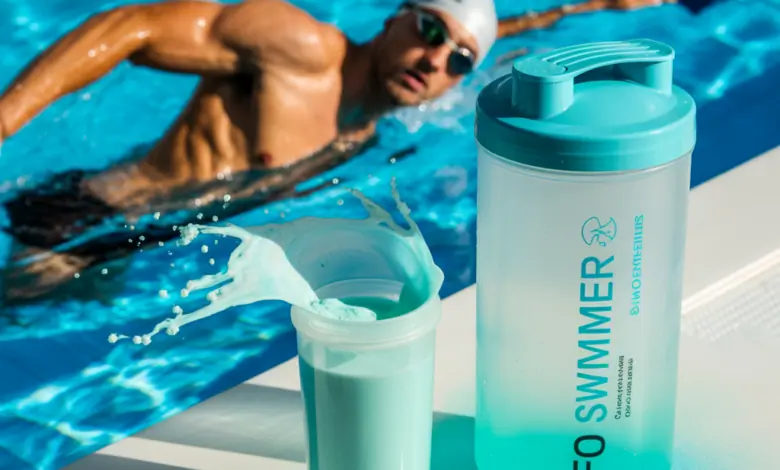
Ever finished a brutal interval set and wondered why your muscles are still sore hours later, even after a solid cooldown? If you’re a swimmer — from weekend masters to competitive teens — the right protein powder can be the difference between sluggish recovery and feeling ready to attack your next session. Let’s break down how to choose the best protein powder for swimmers so you recover faster, build strength, and stay consistent in the pool.
Why Swimmers Need Targeted Protein Nutrition
Swimming demands repeated high-intensity efforts, eccentric muscle work, and large training volumes. That combination increases muscle breakdown and creates a higher daily protein need than casual exercise. Targeted protein intake helps:
- Repair muscle microdamage and reduce soreness
- Support lean mass gains for better power-to-weight ratio
- Improve recovery between sessions and races
For most swimmers, getting 1.4–2.0 g/kg body weight of protein daily — distributed across meals and post-workout shakes — is a practical target.
How to Choose the Best Protein Powder for Swimmers
Choosing a protein powder isn’t one-size-fits-all. Think about your goals, allergies, training schedule, and taste preferences. Here are the key factors to evaluate:
Protein Type and Absorption
Whey protein isolate or hydrolyzed whey absorbs quickly and is ideal after hard swim sets for rapid muscle repair. Casein digests slowly and is useful before bed to sustain amino acid delivery overnight. Plant-based blends (pea + rice) are good for swimmers who prefer vegan options but may require slightly higher servings to match essential amino acid profiles.
Amino Acid Profile
Look for a high leucine content (around 2.5–3 g per serving) to trigger muscle protein synthesis. Complete proteins or blends that provide all essential amino acids are preferable for recovery and strength gains.
Practical Considerations
- Low sugar and simple ingredient list — you want clean recovery without extra calories from added sugars.
- Third-party testing for banned substances if you compete (certified by sports organizations).
- Solubility and flavor — you’ll be more likely to use it consistently if it mixes well and tastes good.
Types of Protein Powders Explained: Whey, Casein, and Plant-Based Options
Whey Protein
Pros: Fast absorption, high leucine, excellent for post-swim recovery. Cons: Dairy-based, can cause GI issues for some.
Casein Protein
Pros: Slow-release, good for overnight recovery and anti-catabolic effects. Cons: Not ideal immediately post-workout if you need rapid amino acid delivery.
Plant-Based Proteins
Pros: Suitable for vegans or those with dairy intolerance. Look for blends (pea + rice) to ensure a complete amino acid profile. Cons: May require a larger serving size to equal the protein quality of whey.
Timing and Dosage: Practical Guidelines for Swimmers
Timing matters. Here’s a simple plan you can follow:
- Post-swim: 20–30 g of fast-acting protein (whey or a fast plant blend) within 30–60 minutes of finishing intense work to accelerate recovery.
- Between sessions: If you have multiple swims per day, add a protein-rich snack or shake to prevent net muscle breakdown.
- Before bed: 20–40 g casein or a mixed meal with protein to support overnight repair.
Real-world example: A 70 kg swimmer aiming for 1.6 g/kg needs about 112 g of protein per day. That can be split across three meals (25–30 g each) and two recovery shakes (20–25 g each).
Practical Fitness Tips & Workout Variations for Better Gains
Nutrition is only part of the equation. Combine the right protein powder with targeted training and lifestyle habits:
In-Pool Workouts
- Sprint ladders: 8 x 25m @ race pace with increasing rest for explosive power.
- Tempo sets: 10 x 100m at 80% effort to train sustained pace and lactate clearance.
- Kick-focused sets: 6 x 50m with a board to develop leg drive for starts and turns.
Dryland Strength Work
- Pulling strength: Bent-over rows, band pull-aparts, and scapular stability work for better catch.
- Core and hip power: Medicine ball throws, single-leg Romanian deadlifts, and planks to transfer strength into the water.
- Power work: Plyometric jumps and resisted sprints to increase explosiveness.
Lifestyle Tips
- Prioritize sleep (7–9 hours) — muscle repair happens during deep sleep.
- Hydrate consistently — dehydration impairs recovery and performance.
- Pair protein with carbs post-workout (e.g., banana + shake) to replenish glycogen and speed recovery.
Real-World Meal and Shake Ideas
Quick combos that swimmers actually use:
- Post-lane swim: Whey shake (25 g) + 1 banana + a handful of oats blended with water.
- Busy morning training: Plant protein smoothie with spinach, frozen berries, and almond milk.
- Night repair: Casein yogurt bowl with nuts and a drizzle of honey.
Frequently Asked Questions
1. What is the best type of protein for swimmers who train twice a day?
For double-session days, fast-absorbing whey protein after each session helps accelerate recovery. If you’re dairy-free, choose a high-quality plant-based blend and slightly increase the dose to match the amino acid profile.
2. How much protein powder should a swimmer take per serving?
A practical serving is 20–30 g of protein per post-workout shake. That provides enough leucine to stimulate muscle protein synthesis without causing stomach upset for most athletes.
3. Can protein powder replace whole-food meals for swimmers?
Protein powders are convenient for recovery but are best used alongside whole foods. Whole meals offer micronutrients, fiber, and slower energy release—important for overall health and sustained performance.
Conclusion: Choose Wisely and Make It Part of Your Routine
Finding the best protein powder for swimmers comes down to your training demands, dietary preferences, and recovery needs. Fast whey for post-workout, casein for overnight recovery, and plant blends for dairy-free options all have a place in a swim-focused nutrition plan. Pair your chosen protein with smart training, consistent sleep, and hydration to see the biggest gains.
Ready to improve your recovery and hit new PRs? Try one of these protein strategies for four weeks and track how you feel and perform. For specific sessions you can pair with your new nutrition plan, check our workout routines and for meal timing and recipe ideas see our nutrition guides. Want ongoing tips to stay healthy year-round? Visit our wellness tips page and subscribe for updates.
Take action: pick a protein type this week, plan your post-swim shake, and note the change in recovery — small changes add up to faster swims.