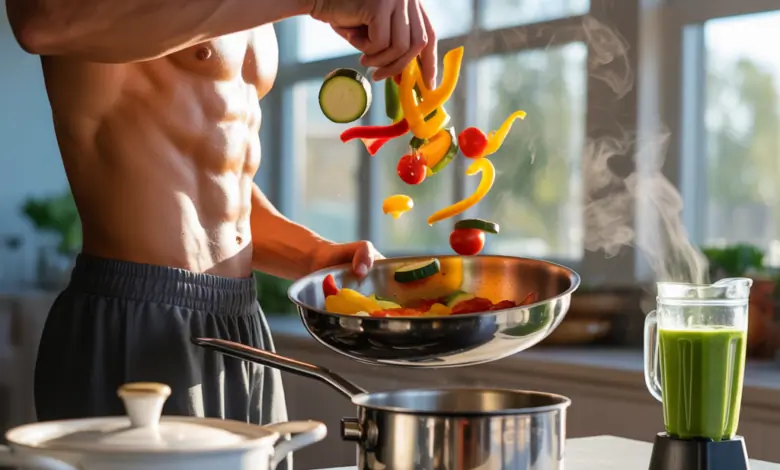
Ever wondered if the pans you use to cook your pre-workout omelet or post-gym dinner are quietly sabotaging your health? Picture this: you’ve nailed your workout, prepped a healthy meal, and then realize your non-stick pan was overheated — sending fumes and questionable chemicals into the kitchen. Choosing the best non toxic cookware removes that nagging worry and helps you fuel workouts with confidence.
Why Choosing Non-Toxic Cookware Matters for Your Fitness and Health
What you cook in affects more than flavor — it influences nutrient retention, meal prep efficiency, and long-term chemical exposure. For people focused on fitness, recovery, and overall wellness, using toxin-free cookware reduces the risk of ingesting heavy metals or degraded non-stick coatings and supports a cleaner, healthier lifestyle.
The Best Non Toxic Cookware: Top Materials Compared
Not all “safe” cookware is the same. Below are common materials ranked by safety, performance, and practicality for everyday healthy cooking.
1. Stainless Steel (304/18-10)
- Pros: Durable, non-reactive, great for searing and sautéing, dishwasher-safe.
- Cons: Food can stick without proper heat control and oil.
- Best for: Browning, deglazing, meal prep bulk cooking.
2. Cast Iron & Enamel-Coated Cast Iron
- Pros: Excellent heat retention, naturally non-toxic when seasoned; enamel avoids iron transfer and provides non-reactive surface.
- Cons: Heavier; requires seasoning (bare cast iron) or careful handling (enamel can chip if dropped).
- Best for: High-heat searing, one-pan dinners, getting crispy veggies and proteins for post-workout meals.
3. Ceramic & Ceramic-Coated Nonstick
- Pros: PTFE/PFOA-free when reputable; slick surface for low-fat cooking.
- Cons: Nonstick wears faster than stainless or cast iron; avoid overheating.
- Best for: Eggs, delicate fish, quick stir-fries that use minimal oil.
4. Glass & Borosilicate
- Pros: Inert and non-reactive; excellent for baking and storage.
- Cons: Breakable; not for stovetop high-heat use unless specified.
- Best for: Oven meals, roasting veggies, meal-prep containers.
5. Titanium & Hard-Anodized Aluminum
- Pros: Lightweight, excellent heat conduction, often marketed as safer nonstick.
- Cons: Quality varies; hard-anodized aluminum is stable but pure aluminum can react with acidic foods.
- Best for: Lightweight pans, camping cookware, fast heating for busy weekdays.
How to Choose the Right Non-Toxic Pots and Pans for Your Lifestyle
Consider these practical tips:
- Match material to meals: use cast iron or stainless for protein-rich dinners, ceramic for low-oil breakfasts.
- Look for PFOA-free and PTFE-free labels for nonstick; prefer third-party certifications when available.
- Prioritize versatility: a quality stainless steel skillet, a cast iron pan, and a glass baking dish cover most bases.
- Check care requirements: if you’re short on time, pick dishwasher-safe items; if you love long-lasting performance, invest time in seasoning cast iron.
Practical Meal Prep and Fitness Tips Using Non-Toxic Cookware
Smart cookware can streamline nutrition and make it easier to stick with training goals.
Meal-Prep Workflow for Busy Athletes
- Sunday: Sear chicken breasts in cast iron for 8–10 minutes, roast mixed vegetables in a glass dish, and cook quinoa in stainless steel — pack in reusable containers.
- Snack prep: Use ceramic or glass containers for overnight oats and chia puddings to maintain texture and avoid plastic interaction.
- Quick breakfasts: Non-toxic ceramic pans are perfect for eggs and sautéed greens before a morning HIIT session.
Fitness-Friendly Cooking Shortcuts
- Batch-cook lean proteins and freeze in portions—reheat in stainless steel or glass for even heating.
- Use cast iron for one-pan meals to save cleanup time and get a great sear that improves flavor without sauces full of calories.
- Cook with healthy fats (olive oil, avocado oil) at appropriate temps for each pan to avoid overheating coatings.
Maintenance: Keep Your Cookware Safe and Long-Lasting
Proper care extends the life of non-toxic cookware and prevents degradation that could release unwanted compounds.
- Season cast iron regularly and avoid putting it in the dishwasher.
- Do not overheat ceramic or nonstick pans; follow manufacturer temperature guidance.
- Avoid metal utensils on ceramic-coated surfaces; use silicone, wood, or nylon tools instead.
- Replace pans with chipped enamel or flaking nonstick coatings—don’t try to salvage compromised surfaces.
Real-World Examples: How Choosing the Right Pan Boosted Results
Case 1: Sara, a busy trainer, switched to a 10″ cast iron skillet and noticed better-looking seared chicken and fewer takeout cravings—she found meal prep so convenient she increased protein intake for muscle recovery.
Case 2: Marco, an office worker who does evening circuits, started using a ceramic nonstick pan for low-oil eggs and sautéed veggies. Quick, healthy dinners cut his calorie-dense comfort-food nights in half.
Workout Variations That Pair Well with Healthy Cooking
Combine efficient workouts with smart nutrition to maximize results:
- Morning HIIT (20 minutes) + high-protein breakfast cooked in cast iron to kickstart metabolism and recovery.
- Strength circuit (3x/week) + batch-cooked stainless-steel-seared meals for muscle repair.
- Yoga/restorative sessions paired with lighter ceramic-cooked meals focusing on veggies and lean proteins.
Frequently Asked Questions
1. What is the safest non-toxic cookware?
Stainless steel (18-10/304), well-seasoned cast iron, high-quality ceramic, and glass are generally considered the safest options. Avoid pans with flaking coatings or unknown non-stick materials, and choose PFOA-free, PTFE-free labeled products where possible.
2. Is ceramic cookware truly non-toxic and durable?
Ceramic cookware made from inorganic materials is typically free from PTFE and PFOA and is considered non-toxic. However, durability varies by brand—hand wash when recommended and avoid overheating to prolong its non-stick performance.
3. Can non-toxic cookware improve my fitness results?
While cookware alone won’t change your fitness level, using safe, durable pans makes it easier to prepare nutritious meals consistently, which supports recovery, energy, and progress toward fitness goals.
Conclusion: Choose Smart, Cook Clean, and Commit to a Healthier Routine
Investing in the best non toxic cookware is a simple, practical step that supports your training, nutrition, and overall wellness. Whether you pick stainless steel for searing, cast iron for one-pan dinners, or glass for meal prep, the right tools make healthy habits sustainable. Ready to upgrade your kitchen and your routine? Start by replacing worn non-stick pans, plan a week of easy meals, and sync them with your workout calendar.
Want help planning meals around your training? Check out our workout routines and nutrition guides for meal ideas, or browse more wellness tips to build consistency. Share your favorite non-toxic pan in the comments and tell us how it changed your cooking—then get back to training strong.