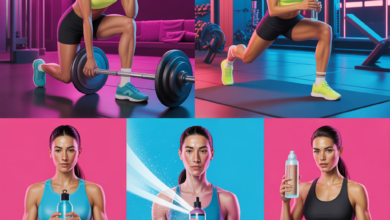
Best Muscle Building Exercises for Beginners

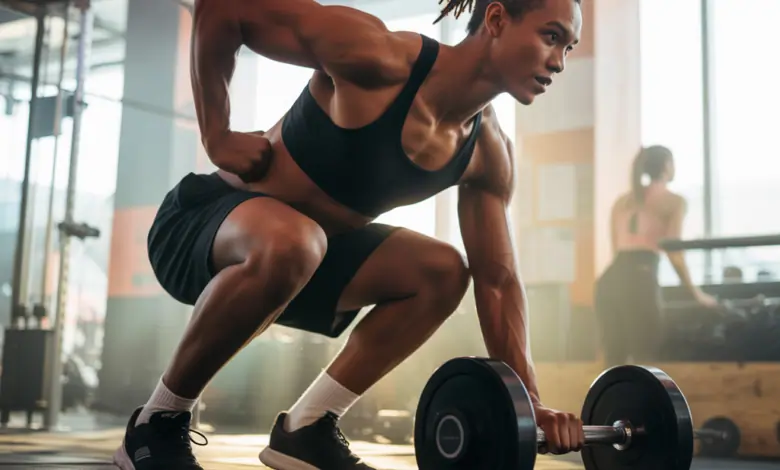
Ever stood in the gym feeling overwhelmed by machines, mirrors, and people who look like they know what they’re doing—and wondered, “Where do I even start?” You’re not alone. The good news: building real muscle as a beginner is simpler than it looks. With the right foundational moves, consistent effort, and a sensible plan, anyone can make noticeable strength and size gains in a matter of months.
Why the right exercises matter
Not all workouts are created equal. For beginners, choosing compound, multi-joint movements and sensible progressions beats random isolation work. These proven beginner strength training exercises engage more muscle groups, build functional strength, and set a foundation that reduces injury risk.
Core principles before you lift
- Progressive overload: Gradually increase weight, reps, or sets to force adaptation.
- Form first: Prioritize technique over ego. Good form builds muscle faster and safer.
- Frequency: Aim for full-body workouts 2–4 times per week to maximize learning and growth.
- Recovery: Sleep, nutrition, and rest days are part of training—don’t skip them.
Best muscle building exercises for beginners
Below are the highest-return exercises to include in a beginner program. These moves are friendly to new lifters, scalable, and effective for building muscle mass and strength.
1. Squats (Goblet, Bodyweight, Barbell)
Why: Trains quads, glutes, hamstrings, core—one of the best compound lifts for beginners.
- Beginner option: Bodyweight or goblet squats (3 sets of 8–12 reps)
- Progression: Move to barbell back squats once technique is solid (3–5 sets of 5–8 reps)
- Tip: Keep chest up, knees tracking toes, and sit back into your hips.
2. Deadlifts (Romanian, Conventional)
Why: Builds posterior chain strength—hamstrings, glutes, lower back—and improves overall pulling power.
- Beginner option: Romanian deadlifts or kettlebell deadlifts for hip hinge practice (3 sets of 8–10 reps)
- Progression: Conventional deadlift for heavier strength work (3–5 sets of 3–6 reps)
3. Push-Ups and Bench Press
Why: Pushes target chest, shoulders, and triceps; scalable for home workouts or the gym.
- Beginner option: Incline or knee push-ups (3 sets of 8–15 reps)
- Progression: Barbell bench press or weighted push-ups (3–5 sets of 5–10 reps)
4. Overhead Press (Dumbbell or Barbell)
Why: Builds strong shoulders, triceps, and core stability—a great upper-body compound lift.
- Beginner option: Seated dumbbell press for stability (3 sets of 6–10 reps)
- Tip: Engage the lats and brace your core to protect the lower back.
5. Rows and Pull Variations (Bent-over row, Inverted row, Pull-ups)
Why: Pulling movements round out the upper body, improve posture, and help build back muscle.
- Beginner option: Inverted rows or assisted pull-ups (3 sets of 6–12 reps)
- Progression: Bent-over barbell rows, unassisted pull-ups (3–5 sets of 5–8 reps)
6. Lunges and Split Squats
Why: Great for single-leg strength, balance, and hypertrophy of the lower body.
- Variations: Walking lunges, reverse lunges, Bulgarian split squats (3 sets of 8–12 reps per leg)
7. Core Work (Planks, Dead Bugs, Farmer’s Walk)
Why: A strong core improves lifting performance and reduces injury risk.
- Beginner approach: 3 x 30–60 seconds planks, 2 x 10–15 dead bugs per side, and short farmer’s walks for grip and core endurance.
Sample beginner-friendly full-body workout (3 days/week)
Follow this plan on non-consecutive days (e.g., Monday/Wednesday/Friday). Warm up 5–10 minutes with light cardio and dynamic stretches.
- Squat — 3 × 8–10
- Push (Bench press or Push-ups) — 3 × 8–12
- Pull (Inverted row or Bent-over row) — 3 × 8–10
- Deadlift variation (RDL or light conventional) — 3 × 6–8
- Lunges or Split Squats — 2–3 × 8–10 per leg
- Core (Plank) — 3 × 30–60 seconds
Home workouts and bodyweight options
No gym? No problem. A beginner can build significant muscle with bodyweight and minimal equipment using progressive variations:
- Push-up progressions: incline → standard → decline → weighted
- Squat progressions: bodyweight → goblet with dumbbell/kettlebell → single-leg pistol progressions
- Pull progressions: inverted rows under a table → band-assisted pull-ups → unassisted pull-ups
Nutrition, recovery, and lifestyle tips
Exercise is only half the equation. To build muscle as a beginner, focus on these key lifestyle habits:
- Calorie balance: Aim for a slight calorie surplus (about 250–500 kcal/day) to support muscle growth.
- Protein: Consume ~0.7–1.0 grams per pound of bodyweight per day from whole-food sources—chicken, fish, eggs, dairy, legumes.
- Sleep: 7–9 hours per night to optimize recovery and hormone balance.
- Hydration and stress management: Both affect recovery and performance.
- Consistency: Progress is built one workout at a time. Track weights and aim to add small improvements weekly.
If you want a structured weekly plan to follow, check out our workout routines page. Need nutrition tips to match your training? Visit our nutrition guides. For recovery and habit ideas, see wellness tips.
Real-world beginner examples
Sam, 28, started with three 45-minute full-body sessions per week. He focused on goblet squats, push-ups, dumbbell rows, and Romanian deadlifts. After 12 weeks he added 15–25 lbs to his upper and lower body lifts and noticed visible muscle gains. Maria, short on time and gym access, used progressive push-up and squat variations at home and supplemented with daily walks and high-protein meals—she gained strength and confidence in two months.
Common mistakes to avoid
- Doing too many isolation exercises too soon—stick to compound lifts first.
- Skipping warm-ups and mobility; mobility prevents injury and improves performance.
- Chasing heavy weights with poor form—plateauing and injuries often start here.
Frequently Asked Questions
1. How often should beginners train to build muscle?
Train 2–4 times per week focusing on full-body sessions or an upper/lower split. Hitting each muscle group 2–3 times weekly is ideal for most beginners.
2. How long will it take to see muscle gains?
Noticeable strength and size changes often appear in 6–12 weeks with consistent training, proper nutrition, and recovery. Beginners can experience relatively fast “newbie gains” during this period.
3. Do I need supplements to build muscle as a beginner?
No. Whole-food nutrition, adequate calories, and protein are sufficient. Supplements like creatine and whey protein can help convenience and performance but are optional, not required.
Conclusion — take your first strong step
Starting with the best muscle building exercises for beginners—compound lifts like squats, deadlifts, presses, and rows—sets you up for consistent, sustainable progress. Focus on technique, progressive overload, and recovery, and you’ll be amazed at what a few months of steady training can do. Ready to get started? Pick one of the sample routines above, write down your weights, and commit to three workouts this week. For more programs and meal plans to match your goals, visit our workout routines and nutrition guides.