Best CrossFit Grips for Speed: Stop Slipping, Start Flying

Have you ever been halfway through a fast AMRAP when a ripped callus or slipping grip costs you a few crucial reps — and a place on the leaderboard? If shaving seconds off transitions and keeping momentum matters to you, choosing the best crossfit grips for speed is one of the smartest small investments you can make.
Why the right grip matters for speed
The right hand protection does more than prevent blisters. It reduces pain, improves confidence on rings, pull-ups, and bar muscle-ups, and allows faster transitions between movements. When your hands feel secure you’ll spend less time adjusting, chalking, or hesitating — and more time moving. For speed-focused athletes and competitors, grips are a performance tool, not just protective gear.
Grip vs gloves vs tape: what’s best for quick movement?
- Grips (leather, synthetic, or silicone): Provide direct contact with the bar and minimal bulk. Best for quick kipping and fast transitions.
- Gloves: Offer full-hand coverage but add bulk and can reduce tactile feedback. Not ideal if speed and precise hand placement are priority.
- Tape and rings tape: Great for spot protection and custom shaping, but require reapplication and can slow transitions if you need to fix them mid-WOD.
Best CrossFit grips for speed: types and recommendations
Every athlete’s hands and goals differ, but these styles consistently work for speed-focused CrossFitters.
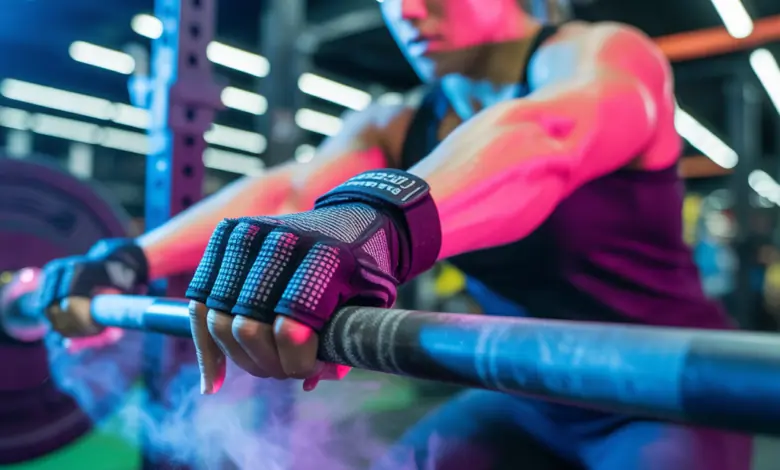
- Thin leather half-moon grips (minimalist): Classic choice for speed. Thin profile keeps bar feel high while protecting the palm. Break-in required but once molded, they allow very fast transitions on pull-ups and muscle-ups.
- Single-layer synthetic grips: Lightweight and often come with pre-cut finger holes. Less break-in than leather and better for humid conditions.
- Silicone or gel grips: Offer added traction without bulk. Great for athletes who slip but want to keep a minimal profile. Not always competition-legal depending on rules, so check before using in sanctioned events.
- Grips with integrated wrist support: Provide stability for heavy bar work while still keeping a low-profile palm. Useful for athletes who combine fast gymnastics with barbell movements.
- Fingerless full-hand grips: Cover more surface area and reduce tearing, but can add a touch of bulk. Best when repeated ripping is a chronic problem.
How to pick the right grip for your goals
Choosing the right grip is about balancing protection, tactile feedback, and transition speed. Consider these factors:
- Competition rules: Some competitions ban certain materials or grip types. If you compete, choose grips that meet standards.
- Thickness and profile: Thinner is usually faster. Thicker grips protect more but reduce bar feel.
- Material and durability: Leather molds to your hand; synthetics are faster to break in and handle moisture better.
- Wrist fit: Secure wrist closures prevent slippage but avoid anything that makes hand placement awkward.
- Hand size and shape: Measure palm width and finger-to-palm distance; many brands offer sizing charts.
Fit checklist
- Do the finger holes align naturally with your fingers?
- Can you close your hand comfortably without extra bulk interfering?
- Does the grip sit flat against the bar with minimal movement?
- Are you able to quickly remove them between movements if needed?
Training tips and workout variations to maximize speed with grips
Grips help, but training smart is what makes that improvement stick. Try these practical tips and workout variations to build speed while protecting your hands.
Warm-up and callus management
- Spend 5–8 minutes warming up hands with rope swings and light ring rows.
- Use a pumice stone to manage calluses — avoid over-grinding, which can expose fresh skin and increase tearing.
- Apply chalk to reduce moisture and improve friction during fast sets.
Speed-focused WOD variations
- EMOM 10: Odd minutes 8 fast kipping pull-ups, even minutes 8 kettlebell swings — practice quick transitions and minimal rest between movements.
- For time: 3 rounds of 12 bar muscle-ups + 400m run — focus on keeping grips tight during high-skill reps.
- Descending ladder: 10–9–8–7 of chest-to-bar and burpees — work on short burst speed and consistent hand placement.
Real-world example: A teammate I coached switched from thick padded gloves to thin leather half-moon grips and dropped 25 seconds on a benchmark workout that included rapid ring transitions — mostly because he stopped readjusting and hesitating between reps.
Care and maintenance for grip longevity and speed
- Leather: Light soap and water sparingly, then condition with a leather balm to prevent cracking.
- Synthetic: Machine-washable in a garment bag (check manufacturer instructions).
- Inspect regularly for thin spots — replace before a failure to avoid mid-WOD tears.
Healthy lifestyle advice to complement your grip work
Your hands are part of a system. Improving recovery and body composition helps performance:
- Nutrition: Prioritize protein and collagen-rich foods to support tissue repair. See our nutrition guides for meal plans tailored to recovery.
- Hydration: Dehydration increases skin tearing — keep water intake steady around workouts.
- Recovery: Sleep and active recovery help callus formation and repair; find daily practices in our wellness tips section.
- Strength work: Add forearm and grip-strengthening exercises twice weekly to reduce dependence on protective gear.
Frequently Asked Questions
1. Which grip type is fastest for kipping pull-ups?
Thin leather half-moon grips or single-layer synthetics typically allow the fastest kipping pull-ups because they minimize bulk and preserve bar feel. Make sure they fit well and are broken in for best results.
2. Can I use grips for heavy barbell work and gymnastics in the same WOD?
Yes — many modern grips have low profiles and integrated wrist support to handle both. If you frequently switch between heavy cleans and fast gymnastics, choose a thin grip with secure wrist closure to protect the palm without losing speed on the barbell.
3. How often should I replace my grips?
Replace grips when you see thin areas, tears, or when they no longer protect the palm effectively. For frequent athletes, this might be every 6–12 months; for casual users, it could be longer. Replace before competition for consistent performance.
Conclusion: Choose the best crossfit grips for speed and get moving
Finding the best crossfit grips for speed comes down to choosing a minimal, well-fitting design that protects your palm while preserving bar feel. Pair the right grip with deliberate warm-ups, grip-strength training, and smart callus care, and you’ll shave seconds off transitions and feel more confident on the bar. Ready to test a new pair? Try a short speed-focused WOD, track your time improvements, and tweak fit and material until it feels like an extension of your hand.
Want more structured training? Check out our workout routines for speed-focused WODs and our nutrition guides to optimize recovery. If you found this helpful, leave a comment about your favorite grips or share a personal tip — let’s keep the conversation moving.