Ever finished a tough workout and opened the fridge only to stare at wilted lettuce and a jar of sauce, thinking, “If only I had the right tools, I could whip up something nutritious in 10 minutes”? You’re not alone. Whether you’re a gym regular, a weekend warrior, or someone trying to eat cleaner, the right kitchen setup speeds up meal prep, improves nutrition, and keeps you consistent.
Why the right kitchen gear matters for health and performance
Cooking tools aren’t just about convenience — they’re performance tools. High-quality utensils and appliances help you control portion sizes, preserve nutrients, and reduce reliance on processed foods. Investing in the best cooking tools for healthy meals means less time in the kitchen and more time for training, recovery, and life.
Top 10 Best Cooking Tools for Healthy Meal Prep
Here are kitchen essentials and practical tips for how each supports fitness goals.
1. Chef’s knife (high-carbon stainless steel)
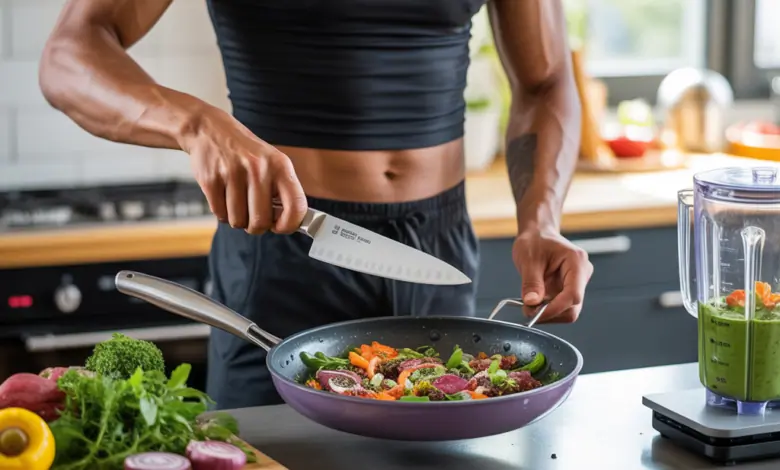
A sharp, balanced chef’s knife speeds up chopping and makes veggies more appealing. Use it to batch-chop peppers, onions, and greens for quick salads or stir-fries. Pro tip: hone your knife weekly and invest in a cutting board that won’t dull the blade.
2. Sturdy cutting board (wood or BPA-free plastic)
Choose separate boards for meat and produce to prevent cross-contamination. A large board gives you space for rapid mise en place—essential when building balanced meals (protein + carbs + veg) after workouts.
3. Non-stick skillet (ceramic or hard-anodized)
A reliable non-stick pan lets you cook with minimal oil, ideal for lean proteins like egg whites, chicken breast, and fish. It’s perfect for quick sprints: high-heat sears, then low-heat finishes to preserve tenderness and nutrients.
4. Heavy-bottomed saucepan or stainless-steel pot
For grains, soups, and stews that anchor your meals with carbs and micronutrients. Use a pot with good heat distribution to avoid hotspots and sticky rice or burnt lentils.
5. Sheet pans and rimmed baking trays
Roasting vegetables and proteins on sheet pans is one of the fastest, healthiest ways to cook at scale. One-pan meals save time, reduce dirty dishes, and are perfect for batch-cooking for the week.
6. Instant Pot or electric pressure cooker
Pressure cooking preserves nutrients and cuts cooking time dramatically — great for bone broths, beans, and tough cuts of meat that become tender without hours of stove time.
7. High-speed blender
Make smoothies, protein shakes, and nutrient-rich soups in seconds. A blender supports pre-workout carbs (fruit + oats) and post-workout recovery (protein + greens + milk or milk alternative).
8. Food scale
Portion control is key for body composition. Weighing rice, oats, and protein helps you hit macronutrient targets consistently, especially when following a structured plan.
9. Airtight meal-prep containers
Durable containers make weekday lunches and dinners stress-free. Opt for glass (oven-safe) or BPA-free plastic; compartmentalized containers help balance meals visually.
10. Versatile utensils (silicone spatula, tongs, peeler)
Small tools matter: good tongs control searing, a peeler speeds veg prep, and a silicone spatula protects non-stick surfaces. Keep a set handy for fast, efficient cooking.
How to use the best cooking tools to support your fitness goals
Having the tools is half the battle. Here’s a simple framework that blends meal prep with workout goals:
- Plan around training: Schedule your biggest cooking sessions the day before intense workouts so pre-workout carbs are ready (oats, rice, potatoes).
- Batch cook proteins: Roast chicken or bake salmon on sheet pans in bulk — store in containers for quick reheats after strength sessions.
- Use the Instant Pot for fast recovery meals: Beans, lentils, and stews are excellent sources of carbs, fiber, and protein when paired with lean meat or tofu.
- Blend for convenience: Morning smoothies with spinach, banana, protein powder, and nut butter are a portable post-workout option.
Sample workout-meal pairing
Morning HIIT (30 minutes): Quick pre-workout snack — half a banana + espresso. Post-workout: smoothie (protein + spinach + oats). Tools used: blender, food scale.
Evening strength training (60 minutes): Pre-workout — baked sweet potato. Post-workout — grilled chicken, quinoa, roasted veggies (sheet pan + non-stick skillet + food scale).
Practical weeknight meal-prep workflow
Try this 60–90 minute Sunday flow using your best cooking tools:
- Set oven to roast: prep two sheet pans—one with seasoned chicken breast, one with mixed vegetables.
- While they roast, cook a big pot of quinoa or brown rice in a saucepan or Instant Pot.
- Blend a batch of smoothie packs (freeze fruit + spinach), and portion protein with a food scale into individual containers.
- Store meals in airtight containers for quick reheats; use one container for lunch, one for dinner.
Real-world example: Sarah, a nurse and weekend runner, uses these tools to prep lunches for her week’s double shifts—protein, carbs, veg ready within 15 minutes each day, leaving energy for training and sleep.
Healthy lifestyle tips that complement your kitchen setup
- Keep ingredients simple: lean proteins, whole grains, and a variety of colorful vegetables.
- Hydrate before meals to improve digestion and appetite control.
- Use your kitchen as a habit anchor: cook at the same time on prep day so it becomes automatic.
- Combine meal habits with workout plans; see our workout routines for pairing ideas and nutrition guides for macro targets.
Frequently Asked Questions
Q: What are the absolute must-have cooking tools for beginners?
A: Start with a quality chef’s knife, cutting board, non-stick skillet, saucepan, and a set of airtight containers. These basics let you prepare most healthy meals efficiently.
Q: Do I need an Instant Pot to eat healthy?
A: No — but it’s a time-saver. You can cook healthy meals without specialty appliances, but an Instant Pot simplifies beans, stews, and whole grains, making consistent healthy eating easier.
Q: How do I choose the best non-stick pan for low-oil cooking?
A: Look for ceramic or hard-anodized pans with a durable coating, even heat distribution, and a comfortable handle. Avoid overheating and use silicone utensils to prolong the coating.
Conclusion — Upgrade your kitchen, upgrade your health
Choosing the best cooking tools is a small investment that pays dividends in energy, consistency, and performance. With the right knife, pans, and storage system you can transform hectic days into healthy ones and support any fitness goal. Start by picking two upgrades (for example, a chef’s knife and meal-prep containers) and commit one hour this weekend to batch-cooking. Need help matching gear to your goals? Check our nutrition guides and explore tailored workout routines to create a complete plan.
What will you buy first? Share your pick and one meal you’ll prep this week — then take action and make healthy eating simple.