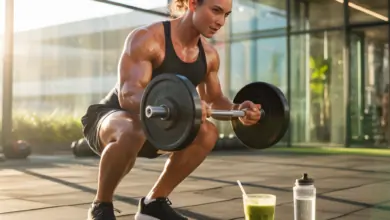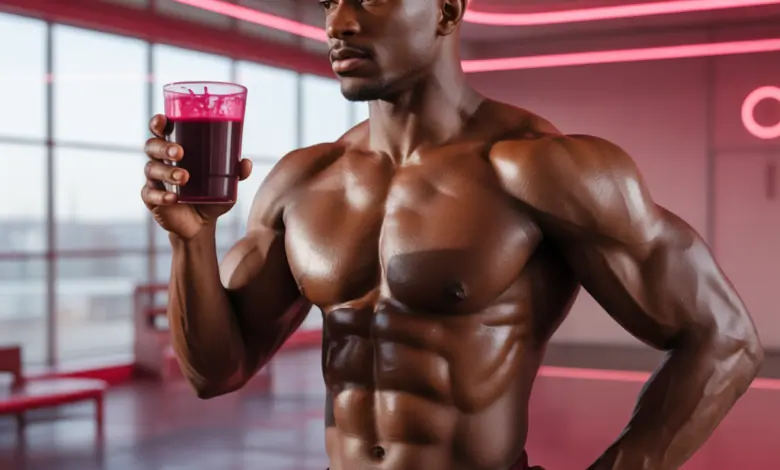
Have you ever felt wiped out during a midday meeting or struggled to finish a workout despite eating well? If low energy and pale skin sound familiar, you might be wondering whether a simple drink could help. Beetroot juice for anemia is a trending natural approach many people try to regain energy, improve exercise performance, and support healthier blood values — but how does it really work, and what’s the safest way to use it?
Understanding anemia: Why you feel tired and weak
Anemia is a condition where your blood doesn’t carry enough oxygen to tissues, commonly due to low hemoglobin or low red blood cell counts. The most common form is iron-deficiency anemia, which causes fatigue, shortness of breath, dizziness, and poor exercise tolerance. Other nutritional deficits (like low folate or B12), chronic inflammation, or genetic causes can also lead to anemia. Before trying natural remedies, it’s important to get a proper diagnosis from a healthcare provider.
How beetroot juice for anemia may help
Beetroot juice won’t magically cure anemia, but it contains nutrients and compounds that can support blood health and exercise performance:
- Folate: Beets are a source of folate (vitamin B9), important for red blood cell production.
- Vitamin C: When paired with citrus or other vitamin C sources, beet juice can help improve absorption of non-heme iron from plant foods.
- Nitrates: Dietary nitrates in beetroot convert to nitric oxide, which can improve blood flow, lower blood pressure, and enhance exercise endurance — helpful if anemia makes workouts feel harder.
- Small amounts of iron: Beetroot contains some iron, though not enough to replace iron supplements when deficiency is significant.
In short, beet juice is a supportive, complementary strategy — best used alongside targeted dietary changes and medical treatment when needed.
Nutrition profile: What’s in a glass?
A typical 250 ml (about 1 cup) serving of fresh beetroot juice provides antioxidants, folate, vitamin C (when mixed with citrus), potassium, and dietary nitrates. Exact nutrient values vary by recipe and preparation.
Best ways to prepare beetroot juice for iron absorption
To maximize benefits, combine beets with vitamin-C rich ingredients and iron-rich foods throughout the day. Try this simple juice recipe:
- 1 medium beet (peeled and chopped)
- 1 orange (peeled) or 1/2 cup freshly squeezed orange juice
- 1 carrot (optional, for sweetness)
- A small piece of ginger (optional)
- Blend and strain if you prefer a smoother juice — or keep the fiber and make a beetroot smoothie with Greek yogurt for added protein.
Tip: Drinking beetroot juice 2–3 hours before a workout can boost nitrate-related performance benefits.
Practical daily plan: How much and how often?
For most people, 100–250 ml (about 1/3–1 cup) of beetroot juice daily is a reasonable starting point. Athletes often use 250 ml to 500 ml in the hours before exercise for performance effects. Important cautions:
- Beetroot juice is not a substitute for prescribed iron supplements if you have confirmed iron-deficiency anemia.
- Monitor blood pressure — nitrates can lower it. If you’re on blood pressure medication, check with your clinician.
- People prone to kidney stones or with certain metabolic conditions should ask a doctor because beets contain oxalates.
Fitness tips and workout variations for low iron
When anemia causes fatigue, adapt your training wisely so you maintain fitness without overtaxing your body.
Low-impact cardio and strength options
- Start with brisk walking, cycling, or swimming — aim for 20–30 minutes at a moderate pace 3–4 times per week.
- Focus on resistance training (2 sessions per week) using lighter weights and higher reps to build muscle without excessive cardiovascular strain.
- Include interval-style work cautiously: short bouts of slightly higher effort followed by longer recovery can preserve fitness while managing fatigue.
Example weekly plan for mild anemia (real-world approach)
- Monday: 30 minutes brisk walk + 20 minutes bodyweight strength (squats, push-ups, rows)
- Wednesday: 25 minutes cycling at a steady, conversational pace
- Friday: 30 minutes pool session or elliptical + core work
- Sunday: Gentle yoga or restorative stretching to support recovery
Real-world example: Sarah, a 34-year-old teacher with mild iron deficiency, started drinking a small beetroot-orange juice each morning and shifted to three moderate workouts weekly. Within a month she reported more energy during classes and less post-workout fatigue — while continuing medical follow-up.
Diet and lifestyle tips to boost iron naturally
Combine beetroot juice with broader nutrition and lifestyle changes to support recovery:
- Eat iron-rich foods: lean red meat, poultry, fish, legumes, tofu, and iron-fortified cereals.
- Pair non-heme iron with vitamin C sources (citrus, strawberries, bell pepper) to increase absorption.
- Limit tea and coffee around meals (they can inhibit iron absorption).
- Consider cooking acidic, iron-rich meals in cast-iron pans to boost iron content slightly.
- Get regular blood tests and follow your clinician’s recommendations for supplements if needed.
Side effects and precautions
Beetroot juice is safe for most people, but be aware of:
- Beeturia: pink/red urine or stools — harmless but surprising.
- Potential drops in blood pressure; caution if you already have low blood pressure or take antihypertensives.
- High oxalate content — those prone to kidney stones should consult a provider.
- Possible stomach upset in sensitive individuals; start with a small serving to test tolerance.
Frequently Asked Questions
1. Can beetroot juice cure anemia?
No. Beetroot juice can support blood health by providing folate, helping with circulation via nitrates, and boosting iron absorption when combined with vitamin C — but it does not replace medical treatment or iron supplements for diagnosed iron-deficiency anemia. Always follow your healthcare provider’s guidance.
2. How much beetroot juice should I drink for energy?
Most people benefit from 100–250 ml per day as a supportive beverage. For performance benefits, athletes often drink 250–500 ml 2–3 hours before exercise. Start with smaller amounts to assess tolerance and discuss with your clinician if you have medical conditions.
3. Will beetroot juice interfere with my iron supplements?
Generally no — vitamin C in beet-based drinks can actually enhance non-heme iron absorption. However, discuss timing with your clinician or pharmacist, especially if you’re taking multiple medications or have blood pressure concerns linked to nitrates.
Conclusion — Should you try beetroot juice for anemia?
Beetroot juice for anemia can be a useful, natural addition to a broader plan that includes iron-rich foods, proper medical evaluation, and a sensible training program. It’s particularly helpful for improving exercise tolerance and enhancing iron absorption when paired with vitamin C. If you’re curious, try a daily small serving (100–250 ml) for a few weeks, track your energy and workouts, and get blood tests to measure the impact.
Ready to take the next step? Try the juice recipe above before a light workout this week, and explore tailored training options on our workout routines page. Want more meal and supplement strategies? Check out our nutrition guides and daily recovery ideas on the wellness tips page. If you suspect anemia, book a check-up with your healthcare provider — and then come back and tell us how your energy improved.
Call to action: Try a 7-day beetroot juice experiment: make a small juice each morning, log your energy and workouts, and share your results — or consult a clinician for testing and personalized advice.