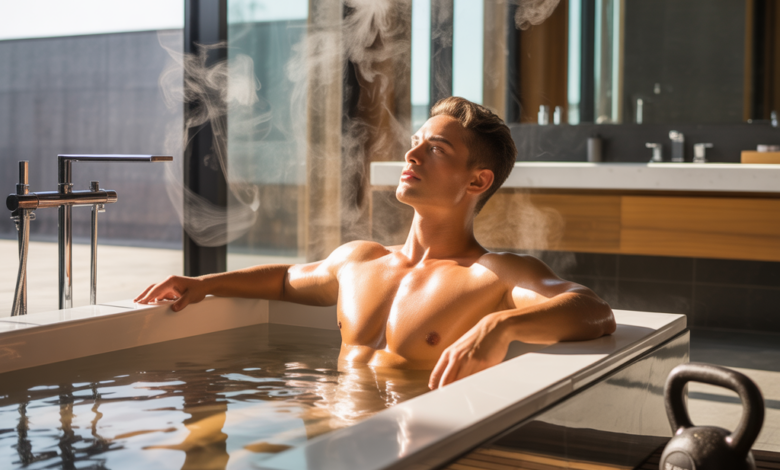
When was the last time you used your bathtub as more than a place to get clean — as an intentional pause button for your mind? Picture this: you close the bathroom door, dim the lights, sink into warm water, and for fifteen minutes the relentless to-do list loosens its grip. That simple scene is the heart of bathing as a mental retreat, a low-cost, accessible ritual that helps people reclaim calm and clarity every day.
Why a bath works as a mental retreat
Science and common sense agree: warm water soothes the nervous system. A warm soak raises skin temperature, triggers parasympathetic (rest-and-digest) activity, and can lower levels of the stress hormone cortisol. That physiological shift pairs with sensory cues — scent, sound, light — to create a small, controlled environment ideal for reflection, meditation, or deliberate downtime.
The mental benefits
- Immediate stress reduction and improved mood.
- Enhanced ability to focus and problem-solve after a soak.
- Improved sleep when used as part of an evening routine.
The physical benefits
- Reduced muscle soreness and tension — helpful after workouts.
- Improved circulation and temporary relief from joint stiffness.
- Support for recovery when paired with contrast baths or cold therapy.
How to design your perfect bathing as a mental retreat ritual
Not all baths are created equal. The difference between a rushed rinse and a restorative soak is intention. Use these practical steps to create a repeatable, effective routine.
Setting and atmosphere
- Lights: dim the room or use candles (LED if you prefer safety).
- Sound: pick a calming playlist, white noise, or silence.
- Scents: a few drops of lavender, eucalyptus, or citrus in a diffuser — or Epsom salts for a scent-free option.
- Temperature: aim for warm, comfortable water (around 37–40°C / 98–104°F). Avoid overheating.
Timing and duration
Even a 10–20 minute soak can be transformative. For sleep benefits, take your bath 60–90 minutes before bed to help your body cool down naturally.
Practical fitness tips and workout variations to combine with your soak
Making your bath part of a broader fitness and recovery plan multiplies its benefits. Here are realistic combos to try.
Pre- or post-workout routines
- Short HIIT + warm soak: 20 minutes of high-intensity interval training, then a 10–15 minute warm bath to relax muscles and calm the nervous system.
- Yoga + bath: a 20-minute gentle yoga flow followed by a mindful soak helps lengthen muscles and settle the breath.
- Contrast therapy: alternate 2–3 minutes in a warm bath with 30–60 seconds of a cold shower or plunge to stimulate circulation and speed recovery (use caution if you have cardiovascular issues).
Recovery-focused variations
- Epsom salt soak: 1–2 cups of Epsom salts for muscle relief after weight training or a long run.
- Ice or cold plunge: 5–10 minutes for athletes focusing on inflammation control and rapid recovery (not recommended for beginners without guidance).
- Breathwork + soak: practice box breathing or diaphragmatic breathing while soaking to deepen the calming effect.
Daily habits to support bathing as a mental retreat
To get the most from this ritual, pair it with healthy lifestyle habits that reinforce recovery and resilience.
- Hydration: drink water before and after hot baths to avoid dehydration.
- Nutrition: emphasize anti-inflammatory foods (omega-3 rich fish, leafy greens, nuts) to support recovery.
- Sleep hygiene: link your evening soak to a consistent bedtime for better sleep quality.
- Screen limits: make the soak a screen-free zone — leave your phone outside the bathroom or use an old-school timer.
Real-world examples
Jane, a busy parent, carves out 15 minutes after the kids’ bedtime for a lavender soak and a brief gratitude list — her reset before finishing work. Marcus, an amateur marathoner, uses contrast baths two evenings a week after long runs to reduce leg soreness. Priya, a project manager, takes a short pre-presentation soak to calm nerves and visualize success. These small rituals fit into real lives and compound into better mental health.
Bathing as a Mental Retreat: Safety and practical considerations
Keep these safety tips in mind so your mental retreat stays restorative and risk-free.
- Monitor water temperature — avoid scalding heat, especially for older adults or children.
- If you have cardiovascular issues, diabetes, or are pregnant, check with a healthcare provider before using very hot baths or contrast therapy.
- Limit time in extremely hot water to avoid dizziness or fainting.
Frequently Asked Questions
How often should I use bathing as a mental retreat?
Frequency depends on your schedule and needs. Many people benefit from 3–7 short soaks per week. Even two focused baths a week can improve sleep and recovery. Aim for consistency rather than duration — a daily 10–15 minute ritual is often more sustainable than an occasional long soak.
Is a bath better than a shower for mental health?
Both have benefits. Showers are great for quick stress relief and alertness (contrast showers can be energizing). Baths are better for sustained relaxation, muscle recovery, and sleep preparation because they allow you to lie back and prolong the calming physiological response.
Can a bath replace therapy or meditation?
A bath can complement therapy and meditation, but it’s not a substitute for professional mental health care when you need it. Use bathing as a practical tool to reduce daily stress and enhance mindfulness, while seeking therapy for persistent or severe mental health challenges.
Conclusion — Make bathing as a mental retreat part of your routine
Bathing as a mental retreat is an accessible, evidence-backed way to carve out calm in a busy life. Whether you pair a soak with breathwork, a short yoga flow, or use it for post-workout recovery, this simple ritual can sharpen focus, reduce stress, and support better sleep. Try a 15-minute mindful soak tonight: dim the lights, set a timer, breathe slowly, and notice how your mood and muscles respond. Ready to build around your bathing habit? Explore our workout routines, check practical tips in our wellness tips, and align your nutrition using our nutrition guides to maximize recovery and mental clarity.
Call to action: Pick one night this week to test a mindful soak and journal the difference. Share your experience with a friend and make it a shared ritual for better health.