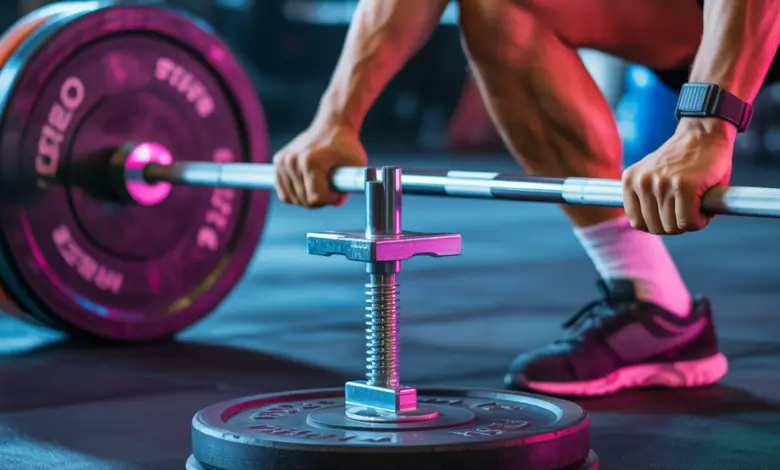
Ever finished a heavy set and felt that sickening wobble as plates slide mid-rep? Or worried about kids or pets knocking weights off a bar in a home gym? If so, you know why a reliable barbell clamp for security is non-negotiable. In this article you’ll learn how the right collar can protect your lifts, improve technique, and even extend the life of your equipment.
Why a Barbell Clamp for Security Matters
Barbell clamps—also called barbell collars, bar clamps, or weight collars—do more than keep plates from sliding. They stabilize the load so your balance, form, and focus stay intact. For Olympic lifts, explosive movements, and heavy compound sets, a secure collar reduces the chance of accidents and helps maintain consistent bar path and weight distribution.
Types of Barbell Clamps: Which One Fits Your Needs?
Spring Collars
Spring collars are quick to use and budget-friendly. They provide a firm bite around standard bars and are popular with casual lifters. However, they can fatigue over time and may be harder to operate with cold or sweaty hands.
Lockjaw and Lever Collars
Lever-style collars (like lockjaw collars) are durable, fast, and provide a tight fit on both Olympic and standard bars. They’re ideal for heavy training days or CrossFit-style workouts where quick plate changes are frequent.
Spin-Lock and Screw Collars
Spin-lock collars are common on home gyms and offer an ultra-secure connection. They require more time to change plates, making them less suited for complex or timed circuits but excellent for steady strength sessions.
How to Choose the Right Collar for Security
- Compatibility: Check bar sleeve diameter—standard vs Olympic—and choose collars designed for that size.
- Material and Build: Look for high-quality metal or reinforced polymer for durability.
- Ease of Use: Lever collars are fast; spin-locks are secure; spring collars are affordable and simple.
- Budget and Frequency: If you train daily and change plates often, invest in durable lever collars.
Practical Tips to Use Barbell Clamps Effectively
- Always tighten or secure collars before unracking the bar—make it part of your pre-lift checklist.
- Inspect collars periodically for cracks, rust, or loss of spring tension.
- Use the same type of collar consistently to build muscle memory for quick changes.
- Label home gym bars and collars if you have multiple setups to avoid mismatches.
Workout Variations That Benefit from Secure Collars
Here are practical exercise examples where a secure barbell clamp improves performance and safety:
Heavy Compound Lifts
- Back Squats: Prevent plate shift during descent and ascent.
- Bench Press: Avoid lateral movement that can strain shoulders or lopsided pressing.
- Deadlifts (when using loaded barbells with strapless grip work): Keep plates stable during explosive lockout.
Explosive and Dynamic Workouts
- Power Cleans and Snatches: Collars stop plates from sliding during rapid changes in bar acceleration.
- Complexes and EMOMs: Quick transitions are safer with reliable lever collars.
Real-World Example
Jake, a CrossFit coach, switched his affiliate from cheap spring collars to lever-style lockjaw collars after a series of near-misses during partner WODs. The collars reduced time spent adjusting plates, lowered interruption during workouts, and improved member confidence—especially during heavy work sets.
Healthy Lifestyle Tips to Complement Safe Lifting
Safety isn’t only equipment-based. Pair secure barbell clamps with these habits:
- Sleep 7–9 hours to promote recovery and focus during lifts.
- Fuel with quality protein and carbs—use our nutrition guides for meal timing around workouts.
- Warm up with mobility drills to reduce injury risk and ensure proper bar path control.
- Follow structured progressions found in our workout routines to avoid abrupt jumps in load.
Maintenance and Storage: Extend the Life of Your Clamps
Keeping collars in good shape is simple:
- Wipe down after sweaty sessions to prevent corrosion.
- Lubricate metal hinges or screws annually.
- Store in a designated container or rack to avoid losing small parts.
Barbell Clamp for Security: Quick Buying Checklist
- Bar size compatibility (25mm vs 50mm sleeves)
- Durability (metal vs plastic)
- Speed of use (lever vs spring vs spin-lock)
- User reviews for real-world durability
- Price vs expected lifespan
Frequently Asked Questions
1. Are barbell clamps necessary for beginners?
Yes. Even beginners can benefit from collars to prevent plate shift, which can cause balance issues and injuries. They also teach good safety habits from the start.
2. Do all collars fit every barbell?
No. Collars are designed for specific sleeve diameters—standard (typically ~25mm) or Olympic (~50mm). Always confirm compatibility before purchasing.
3. How often should I replace my barbell clamps?
Inspect collars regularly. Replace if you notice cracks, loss of tension, stripped screws, or rust. For high-use environments, plan to replace inexpensive spring collars every year or two; high-quality lever collars can last much longer.
Conclusion: Secure Your Lifts — and Your Progress
Choosing the right barbell clamp for security is a small investment that pays off in safety, performance, and peace of mind. Whether you train in a busy gym or a home setup with curious kids or pets, a reliable collar ensures your plates stay put so you can focus on the rep in front of you. Ready to upgrade your gear and protect every lift? Check your bar size, pick a durable collar, and make secure collars part of every training session.
Want more tips on training and recovery? Explore our wellness tips for mobility routines and recovery strategies that pair perfectly with safe, effective lifting.