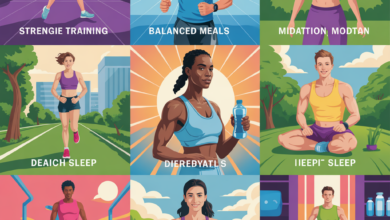
Have you ever been on a long run, felt a sharp cramp in your back, and wondered if you were risking a kidney stone? Or maybe you’ve heard a family member describe the pain and want to do everything possible to never go through it. Whether you’ve had stones before or want to reduce your future risk, these avoid kidney stones tips will give you actionable, realistic steps to protect your kidneys while staying fit and enjoying life.
Why prevention matters: the reality of kidney stones
Kidney stones are common and painful. They form when minerals and salts crystallize in the kidneys. The good news is many stones are preventable through hydration, diet, and lifestyle modifications. Small daily habits—what you drink, how you exercise, and what you eat—make a huge difference.
Top hydration strategies to avoid kidney stones
Drink consistently throughout the day
Dehydration concentrates urine, making crystals more likely to form. Aim for pale yellow urine by drinking water regularly. A practical tip: carry a 1-liter bottle and refill it twice during your workday. For many people, 2–3 liters (about half a gallon to a gallon) daily is a good target, but individual needs vary based on climate and activity level.
Use a simple hydration schedule
- Morning: 300–500 ml right after waking.
- Pre-workout: 200–300 ml 15–30 minutes before exercise.
- During workout: small sips every 15 minutes (adjust by sweat rate).
- Post-workout: 300–500 ml to recover fluids.
- Evening: finish the day with enough to keep urine pale, but avoid excessive drinking right before bed if nighttime bathroom trips disrupt sleep.
Diet changes that reduce stone risk
Balance calcium and oxalate
Contrary to old beliefs, getting enough dietary calcium helps prevent oxalate stones. Instead of avoiding calcium-rich foods, pair them with oxalate-containing meals (e.g., have yogurt with spinach salad) so calcium binds oxalate in the gut and reduces absorption.
Limit high-oxalate foods smartly
Foods high in oxalates include spinach, beet greens, rhubarb, nuts, and some chocolate. You don’t need to eliminate them unless advised by your doctor—just moderate portions and pair with calcium sources.
Cut back on excessive animal protein and sodium
High intake of animal protein (red meat, poultry, eggs) can increase stone-forming substances in urine. Swap some animal protein for plant proteins and aim to reduce sodium, which increases calcium excretion. Practical swap: choose grilled salmon twice a week instead of steak, and flavor food with herbs instead of extra salt.
Fitness tips and exercise variations to protect kidney health
Exercise supports healthy weight and metabolic balance, both of which lower kidney stone risk. But workouts also change fluid needs—plan accordingly.
Steady-state cardio: walking, cycling, swimming
Moderate cardio improves circulation and encourages frequent urination, which helps flush minerals. Try 30–45 minutes of brisk walking or a cycling commute most days.
Strength training and weight-bearing exercise
Resistance training supports bone health and calcium regulation—important for reducing stone risk. Include 2–3 sessions per week of compound moves (squats, lunges, push-ups) to maintain muscle and metabolic health.
HIIT with hydration adjustments
High-intensity interval training is time-efficient but increases sweat loss. If you do HIIT, weigh yourself before and after to estimate fluid loss and replace accordingly (roughly 1.25–1.5 liters per kilogram lost).
Real-world example: Sarah’s routine
Sarah is a 35-year-old teacher who had one kidney stone five years ago. She now walks 45 minutes before work, strength-trains twice weekly, and carries a refillable bottle that she finishes by mid-afternoon. She also chooses citrus snacks (orange slices) and reduced processed foods. She hasn’t had another stone since.
Daily habits that make a long-term difference
- Start meals with a glass of water and include citrus (lemon or orange) to boost citrate, a natural inhibitor of stone formation.
- Limit sugary beverages and high-fructose drinks—soda and sweetened juices can increase stone risk.
- Maintain a healthy weight—obesity raises the likelihood of stones. Combine sensible eating with regular exercise from your workout routines.
- Talk to your doctor about supplements—excessive vitamin C or calcium supplements can affect stone risk; personalized guidance is best.
- Keep a food and fluid log for a week to spot patterns—this helps you and your clinician make targeted changes. Check out our nutrition guides for sample meal plans.
When to see a doctor
If you experience severe flank pain, blood in urine, fever, or difficulty urinating, seek medical attention. If you’ve had stones before, follow-up with your healthcare provider for metabolic testing and personalized prevention strategies.
How to avoid kidney stones tips: quick checklist
- Hydrate consistently—aim for pale urine.
- Balance calcium and oxalate—don’t skimp on dietary calcium.
- Reduce excess animal protein and sodium.
- Exercise regularly and replace lost fluids after workouts.
- Include citrate-rich foods (lemons, oranges) and moderate high-oxalate foods.
Frequently Asked Questions
1. Can exercise cause kidney stones?
Exercise itself doesn’t cause stones, but intense workouts without proper hydration can concentrate urine and increase risk. Plan fluid intake before, during, and after workouts to keep urine diluted.
2. What foods should I avoid to prevent kidney stones?
Rather than strict avoidance, focus on moderation. Limit high-oxalate foods (spinach, nuts, beets) and reduce excessive sodium and animal protein. Pair oxalate foods with calcium-containing foods to reduce absorption.
3. How much water should I drink to prevent kidney stones?
A common goal is to produce about 2–2.5 liters of urine per day, which for many people requires 2–3 liters of fluid intake. Individual needs vary by body size, climate, and activity—monitor urine color and adjust.
Conclusion — Start small, stay consistent
These avoid kidney stones tips are practical, fitness-friendly, and easy to add into your daily routine. Start by upping your water, adjusting a couple of meals, and building a consistent exercise habit. Small changes compound—over weeks and months you’ll lower your stone risk and feel better overall. If you want a tailored plan, explore our wellness tips page or consult your healthcare provider for personalized guidance.
Ready to take action? Pick one hydration habit and one meal swap this week. Share your progress or questions in the comments—and don’t forget to subscribe for more workout, nutrition, and kidney-friendly lifestyle advice.
For more diet and workout tips to avoid kidney stones, check out Diet and Workout Tips.
For more diet and workout tips to avoid kidney stones, check out Diet and Workout Tips.