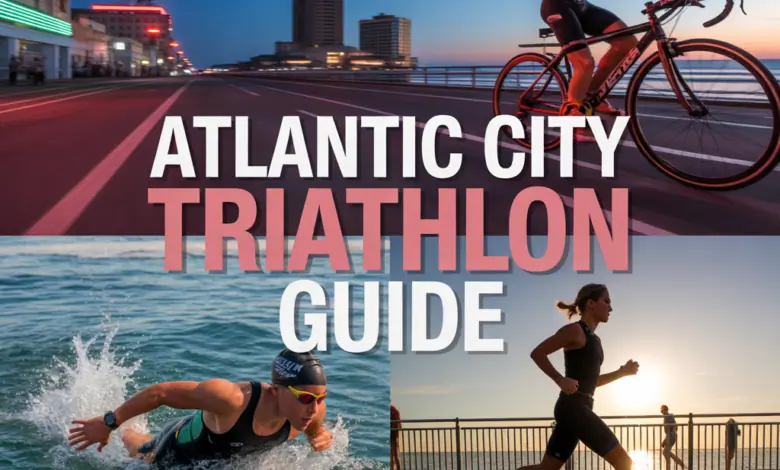
Have you ever stood on the shoreline, toes in the sand, imagining the finish line on the Boardwalk and wondered, “Can I actually train for an Atlantic City triathlon and cross that finish line with a smile?” If you’re picturing salty air, crowds cheering, and a personal victory, this Atlantic City triathlon guide will turn that image into a step-by-step plan you can follow.
Why Choose an Atlantic City Triathlon?
Atlantic City offers a unique mix of ocean swims, flat bike routes, and energetic race-day atmosphere that attracts both beginners and experienced triathletes. Whether you’re aiming for your first sprint triathlon or tackling an Olympic distance, the New Jersey coastline provides scenic motivation—and a few challenges like wind and choppy water that you should prepare for.
Atlantic City Triathlon Guide: Course, Conditions, and Race-Day Tips
This section covers what to expect from the Atlantic City triathlon course and practical race-day tips so you can plan smartly.
Typical Course Features
- Open-water swim in the Atlantic—practice sighting and waves
- Flat bike segments that can be fast but windy—prepare for crosswinds
- Run often finishes on or near the Boardwalk—watch for crowd energy and pavement variations
Race-Day Strategies
- Arrive early to familiarize yourself with the transition area and check the wind direction.
- Do a short warm-up swim to adapt to the water temperature and waves.
- Label your gear clearly and rehearse transitions during training to save precious seconds.
12-Week Atlantic City Triathlon Training Plan Overview
Below is a practical 12-week outline suitable for sprint to Olympic-distance beginners who already have basic fitness. Adjust volume up or down depending on your experience.
Sample Weekly Structure
- Monday: Rest or active recovery (yoga, light swim)
- Tuesday: Bike intervals (e.g., 6 x 4 minutes at threshold with 2-minute recoveries)
- Wednesday: Swim technique + short run (brick: 20–30 min bike + 15 min run)
- Thursday: Strength and mobility (full-body, 30–40 minutes)
- Friday: Open-water swim or pool speed set (e.g., 10 x 100m with varied intensity)
- Saturday: Long ride with race-pace efforts
- Sunday: Long run or race simulation
Include 1–2 brick workouts per week (bike immediately followed by a short run) to practice the bike-to-run transition—an essential skill for Atlantic City’s fast courses.
Swim, Bike, Run: Technical Tips and Workout Variations
Swim: Open-Water Preparation
Focus on sighting, bilateral breathing, and pack swimming. Workout examples:
- Interval set: 8 x 200m with 20 seconds rest—practice varying paces.
- Sight practice: every 4th stroke, lift your head for 2–3 breaths to mimic race conditions.
- Open-water session: swim in choppy conditions and practice drafting safely.
Bike: Power, Handling, and Wind
Wind can make Atlantic City rides tough. Train with threshold intervals and handling drills:
- Threshold repeats: 4 x 8 minutes at tempo with 4-minute easy spins.
- Handling drills: cornering and single-leg balance to improve efficiency.
- Group rides: practice riding in a paceline if drafting is allowed in your race format.
Run: From Brick to Boardwalk
Run off the bike feels different—prepare with run-specific intervals and bricks:
- Brick example: 45-minute bike at moderate pace then 20-minute run with 3 x 2-minute pickups.
- Tempo runs: 20–30 minutes at a comfortably hard pace to increase lactate threshold.
- Boardwalk practice: if possible, run on similar surfaces to acclimate to the feel underfoot.
Strength, Mobility, and Recovery
Consistent strength work prevents injury and improves performance. Aim for two 30–40 minute sessions per week focusing on:
- Functional strength: squats, lunges, deadlifts (light to moderate loads, high quality reps)
- Core and posterior chain: planks, glute bridges, kettlebell swings
- Mobility: hip flexor stretches, thoracic rotations, calf mobility
Recovery matters: prioritize sleep, foam rolling, and active recovery days. Consider contrast showers and compression for faster turnover on heavy training weeks.
Nutrition and Hydration for Atlantic City Triathletes
Race day and training nutrition can make or break performance. Focus on whole-foods-based fueling with attention to carbs for longer sessions and protein for recovery.
Practical Fueling Tips
- Pre-workout: 200–300 calories of easy carbs (banana and toast) 60–90 minutes before long sessions.
- During long rides: 30–60g of carbs per hour depending on duration and intensity; practice gels, bars, or real food during training.
- Post-workout: 20–30g of protein with carbs within 30–60 minutes to enhance recovery.
Gear Checklist and Race Prep
Don’t forget these essentials for Atlantic City events:
- Wetsuit (if allowed and desired) and goggles with anti-fog
- Bike maintenance kit, helmet, and race wheels if you use them
- Run shoes broken in but fresh enough for race day
- Transition towel, elastic laces, sunscreen, and race nutrition
Real-World Examples and Beginner-Friendly Advice
Case study: Sarah, a 34-year-old office worker, trained 6 months for her first triathlon using a simple routine—three swim sessions, two bike rides, two runs, and two strength sessions per week. She focused on consistency, practiced two brick workouts weekly, and completed a mock race day two weeks before the event. Her biggest improvement came from regular open-water swims and practicing transitions.
If you’re new, start with shorter intervals and prioritize technique over volume. Join a local triathlon club or find training partners to stay accountable and learn race-specific tips from more experienced athletes.
Frequently Asked Questions
1. What is the best way to prepare for open-water swims in Atlantic City?
Practice sighting, bilateral breathing, and swimming in choppy water when possible. Include pool sets that replicate race pacing and schedule at least one open-water session per week leading up to the event.
2. How should I handle wind on the Atlantic City bike course?
Train with interval rides into the wind, practice riding seated and standing, and learn to choose an appropriate gear. Conservative pacing on windy days preserves energy for the run.
3. When should I taper before the race?
Tapering depends on distance: for sprint events, reduce volume by 40–60% in the week before; for Olympic distance, reduce by 50–70% over 7–10 days. Maintain short, sharp sessions to keep your legs fresh.
Conclusion: Ready to Tackle the Atlantic City Triathlon?
With consistent training, smart nutrition, and a few race-day rehearsals, you can confidently take on an Atlantic City triathlon. Use this Atlantic City triathlon guide to shape your plan, practice open-water skills, and master transitions. If you want structured sessions, check out our workout routines and follow the fueling strategies in our nutrition guides. For lifestyle and recovery tips that support your training, visit our wellness tips page.
Ready to get started? Pick a race date, map out a 12-week plan, and commit to three key things this week: one quality swim, one brick workout, and one strength session. Share your progress or questions in the comments below—let’s cross that Boardwalk finish line together!