Ever stood in front of your closet five minutes before a workout and wondered if your outfit will support your session — or just look cute in a mirror selfie? Whether you’re lacing up for a run, heading to a HIIT class, or squeezing in yoga between meetings, the right athletic outfits you need can make your workouts more comfortable, safer, and even more motivating.
Why the right gear matters
The clothes you choose affect temperature regulation, range of motion, and confidence. High-performance fabrics wick sweat, compressive pieces help with muscle support, and well-fitted shoes prevent injuries. Investing in a few smart pieces saves time, reduces friction-related chafing, and keeps you focused on training rather than adjusting your top or tights.
Athletic outfits you need: core pieces for every athlete
Start with these foundational items that cover most activities — from running and strength training to yoga and cross-training.
1. Moisture-wicking tops
- Long-sleeve and short-sleeve options in breathable polyester blends or merino wool for cooler months
- Look for anti-odor and quick-dry properties for long gym days or travel
2. Compression leggings and shorts
- Compression tights help circulation and reduce muscle bounce during high-impact workouts
- High-waisted leggings provide core support and stay put during burpees and squats
3. Supportive sports bras
- Match support level to activity: low-impact (yoga), medium (cycling), high (running, plyometrics)
- Adjustable straps and wide bands improve fit for long sessions
4. Cross-training shoes and activity-specific footwear
- Running shoes for repetitive forward motion; cross-trainers for lateral movement and gym circuits
- Replace shoes every 300–500 miles or when cushioning diminishes
5. Lightweight jackets and layering pieces
- Windproof shells or insulated jackets for outdoor workouts
- Layering allows temperature control from warm-up through cool-down
6. Functional accessories
- Moisture-wicking socks, breathable hats, and gloves for cold-weather runs
- Compression sleeves, foam rollers, and a reusable water bottle complete your setup
How to choose fabrics, fits, and features
Not all workout clothes are created equal. Pay attention to fabric content, seams, and design elements that support movement.
- Fabric: Polyester blends and nylon are excellent for sweat management; merino wool works well for temperature control; spandex provides stretch.
- Fit: Choose a snug, but not restrictive, fit for performance wear; allow room for layering in outerwear.
- Details: Flatlock seams prevent chafing, zip pockets secure keys and cards, reflective elements increase safety for night runs.
Outfits for specific workouts: practical combinations
Running outfit
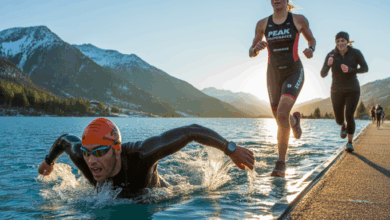
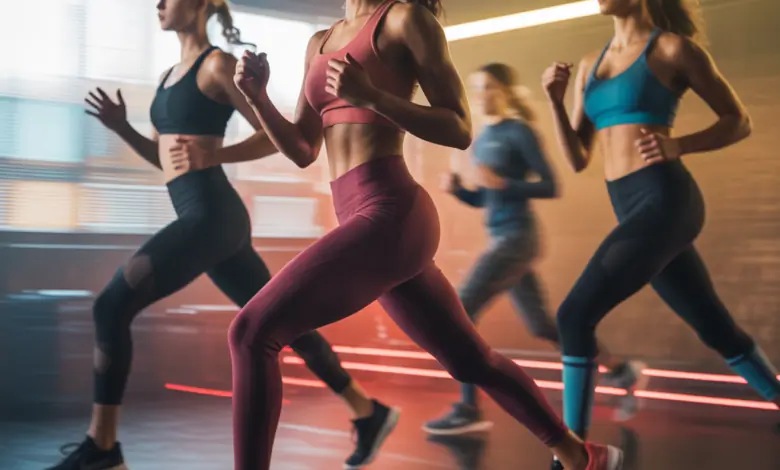
Moisture-wicking tank or tee + compression shorts or leggings + running shoes designed for your gait. Add a lightweight windbreaker and reflective vest for early morning or evening runs.
Gym and cross-training
Supportive sports bra + breathable tee + cross-training shoes + high-waisted leggings or shorts. For heavy lifting, opt for flat-soled trainers and a fitted top to avoid snagging.
Yoga and mobility
High-stretch leggings + snug, non-restrictive top or crop + grippy socks (optional). Comfort and freedom of movement are key — choose soft, breathable fabrics.
Real-world examples: matching outfits to lifestyles
Here are three quick scenarios to help you visualize how to assemble the right gear.
- The commuter athlete: Wears moisture-wicking layers, packs a compact jacket, and keeps a pair of cross-trainers at the office for lunchtime HIIT.
- The weekend runner: Invests in a solid pair of running shoes, a couple of performance tees, and a windproof jacket for variable weather.
- The busy parent: Chooses versatile leggings, easy-on sports bras, and quick-dry tops that transition from stroller walks to strength circuits at the park.
Practical fitness tips and workout variations
Having the right outfit is only half the battle. Use these simple strategies to make your sessions effective and sustainable.
- Warm-up properly: 5–10 minutes of dynamic movements (leg swings, arm circles) before intense work to reduce injury risk.
- Mix training styles: Alternate days of strength training, HIIT, and low-intensity steady-state cardio to build endurance and avoid plateaus.
- Try sample variations: Swap running intervals for hill sprints once a week, add kettlebell swings to your strength day, or practice a mobility flow on rest days.
- Recovery matters: Prioritize sleep, foam rolling, and active recovery to keep performance high and soreness low.
Healthy lifestyle advice to complement your athletic outfits
Performance clothing works best when paired with healthy habits.
- Hydration: Sip water throughout the day and consider an electrolyte drink after extended sessions.
- Nutrition: Fuel workouts with balanced meals — carbohydrates for energy, protein for recovery. See our nutrition guides for meal ideas and timing tips.
- Consistency: Schedule workouts like appointments. Small, consistent sessions beat sporadic long workouts.
- Mindset: Choose outfits that make you feel confident and capable — the psychological boost matters.
Care and longevity: make your gear last
Simple care extends the life of your performance wear:
- Wash in cold water, avoid fabric softeners, and air-dry when possible.
- Turn garments inside-out to protect prints and reflective details.
- Rotate shoes and replace cushioning before it breaks down to prevent injuries.
Frequently Asked Questions
1. What are the must-have athletic outfits for beginners?
Start with a supportive sports bra (for people who need it), moisture-wicking top, a pair of high-stretch leggings or shorts, and a good pair of cross-training shoes. These basics cover most beginner workouts and keep you comfortable while you build habits.
2. How many workout outfits should I own?
A practical rotation is 3–5 tops, 2–3 bottoms, 2 sports bras, and 2 pairs of shoes (one for running, one for cross-training). This ensures garments have time to dry and maintain their performance properties between uses.
3. Can athleisure be used for high-intensity training?
Yes, if the athleisure pieces are made from technical fabrics (moisture-wicking, stretchy, and supportive). Look for performance-focused athleisure rather than purely fashion pieces when training intensively.
Conclusion: take action — build the athletic wardrobe that supports your goals
Choosing the athletic outfits you need doesn’t have to be overwhelming. Start with a few high-quality, activity-appropriate basics, focus on fit and fabric, and add pieces that match your training routine and lifestyle. Ready to get moving? Try pairing a new set of performance leggings with a targeted workout from our workout routines page, and check our wellness tips for recovery and daily habit guidance. Update one item this week — and notice how the right gear makes staying active easier and more enjoyable.
Want personalized outfit suggestions for your favorite activity? Leave a comment or sign up for our newsletter to get a tailored checklist and exclusive training tips.