Arm Workout Equipment Home Gym: Build Stronger Arms Without the Gym

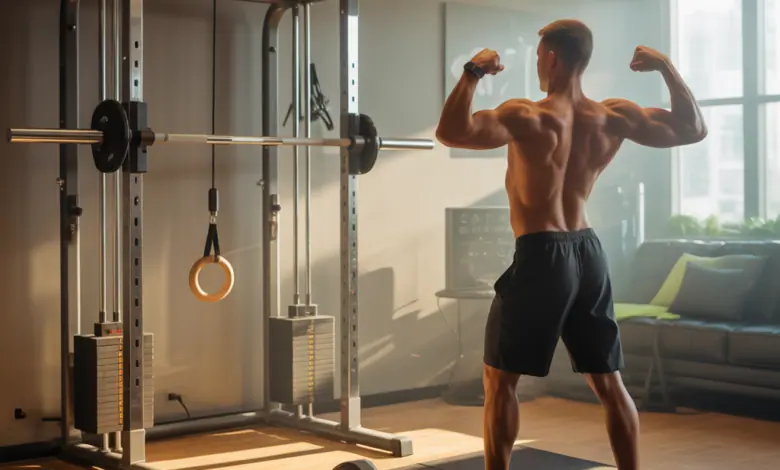
Ever find yourself staring at a set of dumbbells in the corner and wondering, “Can I get serious arm gains without a commercial gym?” You’re not alone. Whether you’re pressed for time, working from home, or just prefer privacy, the right arm workout equipment home gym setup can transform those corner weights into a powerful strength-and-toning station.
Why a Dedicated Arm Setup at Home Works
Setting up targeted arm training gear at home eliminates commute time, increases consistency, and makes micro-workouts more doable—15 minutes before breakfast can add up fast. A compact selection of tools gives you everything you need to hit biceps, triceps, and forearms with progressive overload and variety.
Arm Workout Equipment Home Gym Essentials
Here are the core pieces that deliver the biggest bang for your space and budget. You can build a smart arm-focused home gym with minimal clutter.
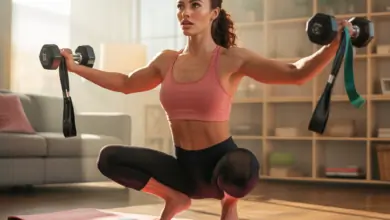
- Adjustable dumbbells — Best for curls, hammer curls, overhead presses, and rowing variations.
- Resistance bands — Great for continuous tension, warm-ups, and travel-friendly progressions.
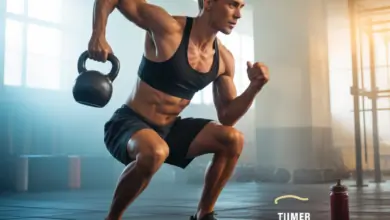
- Kettlebell — Useful for dynamic movements like suitcase carries and single-arm swings that challenge grip and forearms.
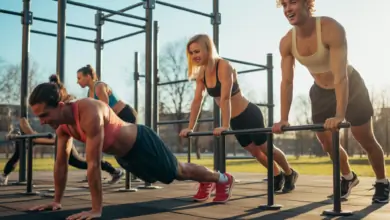
- Pull-up bar or doorway bar — For chin-ups and neutral-grip pull-ups that hit biceps and upper back.
- Adjustable bench or stability ball — Offers incline/decline angles for targeted biceps and triceps work.
- Dip bars or sturdy chair — Essential for triceps dips and bodyweight pressing variations.
- Wrist roller or fat grip attachments — For forearm and grip strength—often overlooked but crucial.
How to Structure an Effective Arm Workout at Home
Quality beats quantity. Aim for 2–3 weekly sessions focused on arms, or integrate arm-specific supersets into full-body workouts. Each session should include a compound movement, an isolation move, and a grip/forearm finisher.
Beginner (20–30 minutes)
- Warm-up: 3–5 minutes band shoulder rotations and arm circles.
- 3 sets of 8–12 dumbbell curls
- 3 sets of 8–12 triceps dips (use a chair)
- 2 sets of 12–15 resistance-band hammer curls
- Finisher: 2 x 30s wrist roller or farmer carry with kettlebells
Intermediate (30–40 minutes)
- Warm-up: band pulls and light curls
- 4 sets of weighted chin-ups or assisted reps
- 3 sets of incline dumbbell curls (8–10 reps)
- 3 sets of overhead triceps extensions (10–12 reps)
- 3 sets of hammer curls superset with triceps kickbacks
Advanced (40–50 minutes)
- Warm-up: dynamic mobility + band warm-up
- 5 sets of weighted chin-ups or close-grip pull-ups
- 4 sets of heavy dumbbell curls (6–8 reps) with slow negatives
- 4 sets of weighted dips (6–10 reps)
- Finisher: EMOM (every minute on the minute) alternating sled/KB carries and grip holds
Practical Tips for Home Arm Training
- Prioritize form: A strict curl with full range trumps a sloppy heavy set.
- Progressive overload: Increase reps, weight, or density over weeks. Track workouts in a simple notebook or app.
- Use tempo: Slow the eccentric (lowering) phase to increase time under tension for more muscle stimulus.
- Mix angles: Rotate between incline, standing, and preacher-style variations to hit different parts of the biceps and triceps.
- Recover smart: Sleep, protein intake, and hydration matter as much as the exercises themselves.
Real-World Example: From Cluttered Corner to Functional Arm Gym
Take Michael, a graphic designer who turned a spare closet into a compact arm station. He invested in adjustable dumbbells, a set of bands, and a doorway pull-up bar. By following two focused arm sessions each week and tracking his progressive overload, he increased his heavy curl weight by 20% in 8 weeks while shaving minutes off his morning routine. The key was consistency and choosing multi-use gear rather than overbuying single-use tools.
Healthy Lifestyle Habits to Amplify Arm Gains
Training is only half the equation. To maximize results from your arm workout equipment home gym:
- Eat enough protein: Aim for roughly 0.7–1.0 grams per pound of bodyweight if building muscle is the goal.
- Prioritize sleep: 7–9 hours supports recovery and hormone balance.
- Manage stress: High cortisol can hinder muscle growth—use mobility, meditation, or short walks.
- Include cardio cautiously: Keep intense cardio away from heavy lifting days to maintain performance.
Common Mistakes to Avoid
- Relying only on light, high-rep work—add heavy sets to stimulate strength gains.
- Neglecting the back—strong biceps need a balanced upper body program.
- Skipping progressive overload—if weights never change, direction won’t either.
Frequently Asked Questions
1. What is the best equipment for building bigger arms at home?
Adjustable dumbbells and resistance bands offer the most versatility and value. Add a pull-up bar and dip station for bodyweight compound movements and a wrist roller or fat grips for forearm and grip strength.
2. Can I get toned arms with only resistance bands?
Yes. Resistance bands can provide progressive tension and are excellent for hypertrophy when you focus on tempo and volume. Pair bands with bodyweight moves like dips and chin-ups for best results.
3. How often should I train arms in a home gym setup?
Train arms directly 2–3 times per week, or include them as part of upper-body or full-body sessions. Make sure to allow 48 hours of recovery after a heavy arm session.
Conclusion — Take Action Today
Setting up an effective arm workout equipment home gym doesn’t require a garage full of machines—just a handful of smart, multi-use tools, consistent programming, and recovery-focused habits. Start small, track your progress, and swap exercises every 4–6 weeks to keep gains coming. Ready to plan your first 4-week arm routine? Check out our workout routines page to get started, and pair it with tips from our nutrition guides and wellness tips to accelerate results.
Call to action: Grab a set of adjustable dumbbells or resistance bands this week, schedule three 30-minute sessions, and commit to 4 weeks—your future stronger arms will thank you.