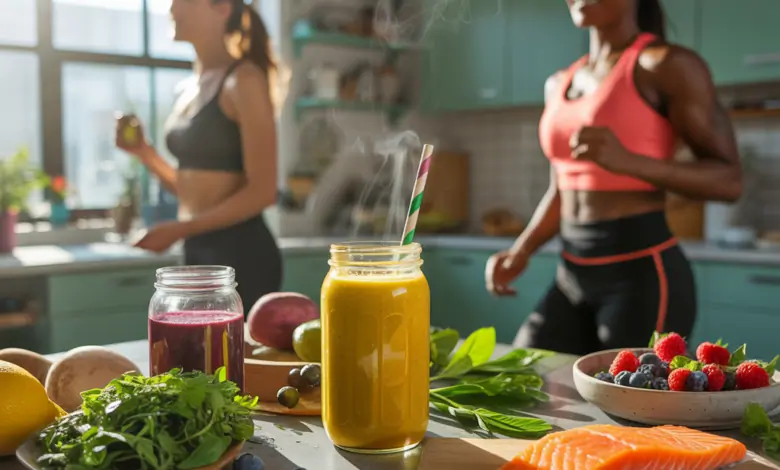
Waking up stiff, sore after workouts, or feeling the slow burn of everyday joint pain — sound familiar? What if the meals you eat could help reduce that inflammation and speed up recovery? With the right anti inflammation recipes, you can calm chronic inflammation, support workouts, and enjoy tasty food that actually helps your body heal.
Why Choose Anti-Inflammatory Recipes?
Inflammation is your body’s natural response to injury and stress. Acute inflammation helps you heal; chronic inflammation can lead to stiffness, fatigue, and increased risk for chronic disease. Eating inflammation-fighting meals—full of antioxidants, omega-3s, and phytonutrients—can lower systemic inflammation, improve recovery after exercise, and support long-term health.
These anti-inflammatory diet recipes are not a quick fix but a sustainable strategy. They pair well with fitness programs and other lifestyle changes, so you get compounding benefits.
Pantry Staples for Inflammation-Fighting Meals
- Turmeric and ginger (curcumin and gingerol have strong anti-inflammatory action)
- Fatty fish (salmon, mackerel) and omega-3 rich foods (chia, flax, walnuts)
- Berries, cherries, and other antioxidant-rich fruits
- Leafy greens (spinach, kale), cruciferous veg (broccoli, Brussels sprouts)
- Extra-virgin olive oil, avocados, nuts and seeds
- Legumes, quinoa, whole grains for fiber
- Garlic, onions, and green tea
7 Easy Anti Inflammation Recipes to Try Today
Below are simple, real-world recipes you can make on a weeknight or batch for meal prep. Each one is geared toward reducing inflammation while being delicious and approachable.
1. Turmeric-Ginger Salmon Bowl
Ingredients: Salmon fillet, brown rice or quinoa, steamed spinach, shredded carrots, turmeric, grated ginger, olive oil, lemon.
Method: Marinate salmon in lemon, turmeric, and ginger for 15 minutes. Pan-sear 4–6 minutes per side. Serve over quinoa with greens and a drizzle of olive oil. Rich in omega-3s and curcumin.
2. Berry Oat Smoothie with Chia
Ingredients: Frozen mixed berries, rolled oats, unsweetened almond milk, chia seeds, spinach, scoop of protein if desired.
Method: Blend until smooth. Berries provide antioxidants and oats add soluble fiber to support gut health—important for lowering inflammation.
3. Roasted Veggie & Quinoa Salad with Tahini
Ingredients: Roasted sweet potatoes, broccoli, bell pepper, cooked quinoa, tahini, lemon, garlic.
Method: Toss roasted veg with quinoa and a lemon-tahini dressing. A satisfying plant-based anti-inflammatory meal.
4. Golden Turmeric Latte (Anti-Inflammatory Drink)
Ingredients: Turmeric, black pepper (improves absorption), cinnamon, coconut or almond milk, a touch of honey.
Method: Warm and whisk ingredients for a cozy, inflammation-calming beverage before bed or after workouts.
5. Spiced Lentil Soup
Ingredients: Red lentils, carrots, onions, turmeric, cumin, garlic, spinach.
Method: Simmer until lentils are soft. Lentils add fiber and protein—great for recovery and gut health.
6. Omega-3 Walnut Pesto Pasta (Whole Grain)
Ingredients: Whole-grain pasta, walnuts, basil, garlic, olive oil, lemon, parmesan (optional).
Method: Blend walnuts, basil, garlic, and oil into a pesto. Toss with cooked pasta and steamed greens. Walnuts boost omega-3 intake in plant-based recipes.
7. Dark Chocolate & Nut Chia Parfait
Ingredients: Greek yogurt or plant-based yogurt, chia seeds, chopped walnuts, dark chocolate (70%+), berries.
Method: Layer yogurt with chia pudding and berries; top with walnuts and a few dark chocolate shavings for an antioxidant-rich dessert.
How to Incorporate These Anti Inflammation Recipes into Daily Life
Consistency matters. Here are practical ways to make these recipes part of your routine:
- Meal prep one protein (salmon, lentils) and two veg each weekend for quick bowls during the week.
- Swap processed snacks for anti-inflammatory options—trail mix with walnuts and dark chocolate, or a berry-chia pudding.
- Use the Golden Turmeric Latte as a cozy evening ritual to replace sugary treats.
- Combine these meals with strength training or low-impact cardio to maximize recovery (see our workout routines page for variations).
Fitness Tips & Workout Variations to Complement Anti-Inflammatory Eating
Food alone won’t do all the work. Pair your anti-inflammatory recipes with smart training and lifestyle habits:
- Strength training 2–3× weekly to build muscle and reduce systemic inflammation — try compound moves like squats, deadlifts, and push-ups.
- Low-impact cardio (swimming, cycling) 2–3× weekly for circulation without joint strain.
- Include mobility and flexibility sessions or gentle yoga to reduce stiffness and improve recovery.
- Try HIIT sessions once a week for metabolic benefits, but balance with recovery days to avoid overtraining inflammation.
- Prioritize sleep (7–9 hours) and stress management—both are powerful modulators of inflammation.
For tailored guidance on how to time meals around training and macro balance, check our nutrition guides.
Sample 3-Day Anti-Inflammatory Meal Plan (Quick)
- Day 1: Breakfast — Berry Oat Smoothie; Lunch — Quinoa & Roasted Veg Salad; Dinner — Turmeric-Ginger Salmon Bowl
- Day 2: Breakfast — Chia Yogurt Parfait; Lunch — Spiced Lentil Soup with whole-grain bread; Dinner — Walnut Pesto Pasta with greens
- Day 3: Breakfast — Overnight oats with berries; Lunch — Leftover salmon bowl; Dinner — Stir-fry with tofu, broccoli, garlic, and turmeric
Frequently Asked Questions
1. Are anti inflammation recipes suitable for everyone?
Generally yes—most anti-inflammatory ingredients are whole, minimally processed foods. However, people with specific allergies, medication interactions (like blood thinners and high-dose turmeric), or medical conditions should consult a healthcare professional before major dietary changes.
2. How quickly will I notice reduced inflammation from dietary changes?
Some people notice improved digestion, less bloating, and better sleep within days to weeks. Meaningful reductions in chronic inflammation often take several weeks to months of consistent diet and lifestyle changes.
3. Can these recipes replace medication for inflammatory conditions?
These recipes support overall inflammation reduction but are not a substitute for prescribed medications or medical treatment for autoimmune disease or severe inflammation. Always discuss treatment plans with your doctor and use food as a complementary approach.
Conclusion — Start Cooking Anti Inflammation Recipes Today
Inflammation doesn’t have to be a life sentence. With simple, tasty anti inflammation recipes and complementary fitness and lifestyle habits, you can reduce pain, recover faster, and feel more energetic. Pick one recipe from this post, try it this week, and pair it with a short mobility session after dinner. For more meal ideas and workout pairings, explore our wellness tips and the other resources mentioned above.
Ready to take action? Try the Turmeric-Ginger Salmon Bowl or the Spiced Lentil Soup this week, leave a comment on how it went, and sign up for updates to get more inflammation-fighting recipes and fitness plans delivered to your inbox.