Aloe Vera Benefits And Side Effects

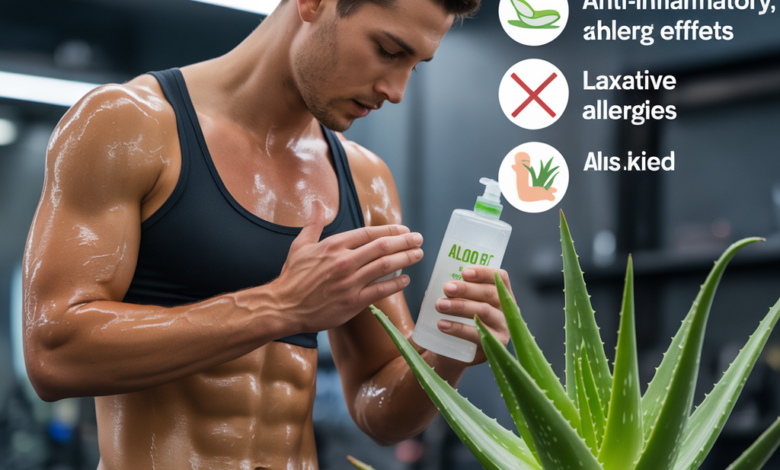
Ever reached for that slimy green gel after a long run in the midday sun and wondered, “Is aloe vera just a miracle for skin burns or does it actually help my digestion and workouts too?” If you keep an aloe plant on your windowsill or drink aloe vera juice after meals, understanding the real aloe vera benefits and side effects can help you use it smarter — not just more often.
A quick overview: What is aloe vera?
Aloe vera is a succulent plant whose clear inner gel and yellowish latex have been used for centuries for topical and internal uses. Modern products include fresh aloe gel, bottled aloe vera juice, powdered supplements, and topical creams. Fitness enthusiasts, skincare lovers, and people with digestive concerns often use aloe — but effects and risks vary by form and dose.
Aloe Vera Benefits and Side Effects — Top Uses and Risks
Topical benefits (aloe vera gel uses)
- Soothes sunburn and minor skin irritation: Aloe gel cools and hydrates, reducing redness and discomfort after sun exposure.
- Supports wound healing and skin repair: Research shows aloe can promote collagen production and speed superficial wound recovery.
- Hydrates and soothes dry or chafed skin: Runners and cyclists often use aloe on chafing hotspots and for post-workout cooling.
- May help acne-prone skin: Aloe’s antimicrobial and anti-inflammatory properties can reduce mild acne symptoms when used in gentle formulations.
Oral benefits (aloe vera juice benefits)
- Digestive support: Many people drink aloe vera juice for occasional constipation relief, improved digestion, and balanced gut comfort.
- Anti-inflammatory effects: Compounds in aloe can reduce low-grade inflammation which may support recovery after intense training.
- Hydration and nutrient delivery: Some athletes use diluted aloe juice as part of hydrating, nutrient-rich beverages post-workout.
Fitness-friendly applications
Imagine finishing a trail run with sun-warmed shoulders — applying aloe vera gel can be part of your immediate recovery toolkit. After weight training, applying aloe on hot spots or minor abrasions helps keep skin healthy while you’re healing. For digestive comfort, a small amount of commercial aloe vera juice (aloin-reduced) can be a gentle pre-meal ritual for some people, but more on safety below.
Common aloe vera side effects and safety concerns
Topical side effects
- Allergic reactions: Some people develop contact dermatitis, redness, or itching from topical aloe, especially those allergic to plants in the Liliaceae family.
- Skin sensitivity: Overuse of concentrated formulations can dry or irritate sensitive skin.
Oral side effects
- Gastrointestinal upset: Drinking raw or whole-leaf aloe vera can cause abdominal cramps, diarrhea, and electrolyte imbalance due to laxative compounds (aloin).
- Drug interactions: Aloe may interact with diabetes medications, diuretics, and blood thinners. It can lower blood sugar or electrolytes when used orally in excess.
- Potential liver injury: Very rare cases of liver damage have been linked to some oral aloe supplements; choose products from reputable manufacturers and use cautiously.
Who should avoid oral aloe?
Pregnant or breastfeeding women, young children, and people with kidney disease or inflammatory bowel disease should avoid oral aloe unless advised by a healthcare professional. If you’re on prescription medication, check with your provider before starting regular oral aloe consumption.
How to use aloe safely: practical tips
- Choose products wisely: For oral use, look for decolorized, low-aloin aloe vera juice from reputable brands. For skin, opt for pure aloe gel or products with minimal additives.
- Patch test first: Apply a small amount of gel to the inside of your wrist and wait 24 hours to detect allergic reactions.
- Start small: If trying aloe juice for digestion, begin with a teaspoon diluted in water and track how your body reacts.
- Avoid whole-leaf extracts for ingestion: Whole-leaf juices can contain high levels of latex (aloin) which act as a harsh laxative.
- Combine with recovery routines: Use aloe after sun exposure, and pair with hydration, electrolyte replenishment, and a balanced post-workout meal from our nutrition guides.
Real-world examples and workout-friendly strategies
Case 1: Sarah, a weekend cyclist, swears by stashing a travel-size aloe gel in her jersey pocket for post-ride sunburn relief. It keeps inflammation down and helps her sleep better the night after long rides.
Case 2: Marcus, a CrossFit athlete, uses diluted aloe vera juice occasionally to ease bloating after heavy carb meals. He pairs this with light core mobility exercises and a walk to aid digestion.
Workout variations that pair well with aloe-based recovery:
- Cooling cooldown: 5–10 minutes of walking + shoulder mobility stretches + topical aloe application for sun-exposed areas.
- Active recovery day: Low-intensity swim or yoga plus a glass of hydrating drink and aloe (topical only) for skin hydration.
- Post-long-run protocol: Rehydrate, perform foam rolling and calf stretches, then apply aloe to any chaffing or irritated skin.
Tips for integrating aloe into a healthy lifestyle
- Don’t rely on aloe as a cure-all — use it as one tool among balanced exercise, whole-food nutrition, and sleep.
- Monitor effects: Keep a short journal noting when you use aloe and any changes in digestion, skin, or energy.
- Make it part of a wellness routine: Combine topical use with other natural skin care habits and consult resources in our wellness tips section.
- Pair with smart workouts: If using oral aloe sparingly for bowel regularity, schedule intense workouts at times when you’re not experiencing laxative effects.
Frequently Asked Questions
1. Is aloe vera safe to drink every day?
Daily consumption of aloe vera juice is not recommended without caution. Some commercial formulas with low aloin content are marketed for daily use, but regular ingestion can still cause digestive upset or interact with medications. Start small, choose low-aloin products, and consult a healthcare provider if you intend to use it long-term.
2. Can aloe vera help with sunburn recovery?
Yes. Topical aloe vera gel can soothe sunburn, reduce redness, and provide cooling relief. Apply a pure, fragrance-free gel to clean skin and reapply as needed. If blisters or severe pain occur, seek medical attention.
3. What are signs of an allergic reaction to aloe?
Look for increased redness, itching, swelling, or blistering at the application site. For oral allergies, symptoms might include throat tightness or hives. Discontinue use and consult a medical professional if you suspect an allergic reaction.
Conclusion — Put aloe to work wisely
Aloe vera benefits and side effects balance around how you use the plant: topical aloe gel is generally safe and effective for skin care and post-exercise comfort, while oral aloe vera juice can offer digestive and anti-inflammatory support but carries a greater risk of side effects. Use quality products, start small, and integrate aloe into a broader healthy lifestyle that includes consistent exercise, balanced nutrition, and rest.
Ready to optimize recovery and nutrition? Try adding a travel-size aloe gel to your gym bag and pair it with a recovery routine from our workout routines. If you enjoyed this guide, subscribe for more practical tips on natural remedies, fitness recovery, and everyday wellness.