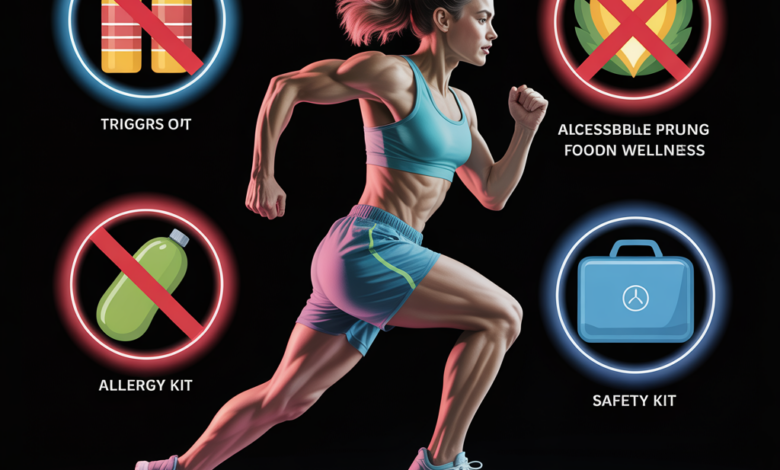
Ever started a morning run only to be derailed by sneezing, itchy eyes, or a tight throat? For many active people, those small interruptions are more than annoying — they’re a reminder that understanding allergic triggers matters. In this article we’ll cover “allergic reactions basics” in plain language, give real-world fitness-friendly tips, and help you keep moving safely and confidently.
What Are Allergic Reactions?
At their simplest, allergic reactions are your immune system’s overreaction to normally harmless substances — called allergens. Common triggers include pollen, dust mites, pet dander, insect stings, certain foods (like nuts or shellfish), and some medications. The body releases chemicals such as histamine that cause inflammation and the familiar symptoms of allergies.
Common types of allergic reactions
- Seasonal allergies (hay fever) — triggered by pollen and mold spores.
- Food allergies — immediate reactions after eating certain foods.
- Skin allergies — contact dermatitis from soaps, plants, or fabrics.
- Insect sting allergies — can range from localized swelling to severe reactions.
- Drug allergies — reactions to antibiotics or other medications.
- Exercise-induced allergic reactions — rarer, sometimes linked to food eaten before exercise.
Symptoms to Watch For
Allergic symptoms vary by type and severity. Mild-to-moderate signs include sneezing, runny nose, itchy eyes, hives, or localized swelling. Severe allergic reactions — anaphylaxis — involve difficulty breathing, throat tightness, rapid pulse, dizziness, or loss of consciousness and require immediate emergency care. If you have a history of severe reactions, carry emergency medication as advised by a provider.
How Allergic Reactions Work (The Immune Response)
When your body identifies an allergen, it produces antibodies (IgE) that signal cells to release histamine and other mediators. This causes blood vessels to expand, tissues to swell, and mucus to be produced — classic allergy symptoms. Understanding this biological basis helps you pick targeted strategies: reduce exposure, calm inflammation, or prepare for emergencies.
Fitness-Friendly Strategies: Managing Allergic Reactions During Exercise
Allergy symptoms can derail workouts, but with a few adjustments you can stay active year-round.
Smart workout timing and environment
- Check local pollen counts and plan outdoor workouts for late afternoon or after rain when pollen is lower.
- Choose indoor cardio or controlled gym sessions on high-pollen days.
- Switch to swimming in chlorinated pools when pollen or airborne irritants spike — water workouts often reduce exposure.
Warm-up, cool-down and intensity adjustments
- Lengthen your warm-up to reduce airway irritation — gradual intensity lowers the chance of exercise-induced bronchospasm.
- If you feel symptoms coming on, reduce intensity or switch to low-impact moves like walking or yoga.
- Try interval training variations with shorter high-effort bursts followed by active recovery to limit prolonged heavy breathing outdoors.
Workout variations for allergy seasons
- Indoor strength days: focus on resistance training, kettlebell circuits, or bodyweight workouts from your workout routines page.
- Low-allergen cardio: stationary bike, elliptical, or treadmill with filtered indoor air.
- Mind-body sessions: restorative yoga or Pilates reduce stress and inflammation and help breathing control.
Tip: wearing a lightweight allergen-blocking mask during outdoor sessions can reduce inhaled pollen without overly restricting airflow.
Healthy Lifestyle Habits to Reduce Allergic Reactions
Beyond training tweaks, lifestyle choices make a big difference in how often and how severely you react to allergens.
- Sleep and stress management — poor sleep and chronic stress amplify inflammation and can worsen symptoms. Prioritize 7–9 hours and include relaxation practices.
- Nutrition — an anti-inflammatory diet rich in omega-3s, colorful vegetables, and antioxidants supports immune balance. Use our nutrition guides for meal ideas that reduce inflammation.
- Home environment — use high-efficiency air filters, wash bedding weekly in hot water, and keep windows closed during high pollen times.
- Hygiene — shower and change clothes after outdoor workouts to remove pollen from skin and hair.
- Medication and planning — work with a healthcare provider on antihistamine timing, inhaler use, or emergency plans like carrying an epinephrine auto-injector if indicated.
Real-World Examples That Hit Home
Example 1: Sarah, a marathoner, noticed sneezing and chest tightness during spring long runs. She shifted long runs to evening after pollen counts dropped, added a longer warm-up, and swapped two outdoor sessions per week for treadmill intervals. Her symptoms eased and race performance stabilized.
Example 2: Marco discovered hives and stomach cramps after combining shellfish with afternoon training. After allergy testing and swapping pre-workout snacks, he eliminated the trigger and learned to carry medication prescribed by his doctor.
Example 3: Emma had seasonal asthma triggered by cold, dry air. She used a scarf over her mouth on chilly runs, did indoor strength work when symptoms flared, and followed a prescribed inhaler routine to stay active safely.
Frequently Asked Questions
Q: What are common symptoms of allergic reactions?
A: Typical signs include sneezing, itchy or watery eyes, runny nose, hives, localized swelling, and skin rashes. Severe reactions may cause breathing difficulty, throat tightness, dizziness, or fainting; these require emergency care.
Q: How can I exercise with seasonal allergies?
A: Time workouts for lower pollen periods, choose indoor options on high-pollen days, lengthen warm-ups, and consider swimming or low-impact cardio. Use protective measures like showering after outdoor sessions and following any medication plan set by your clinician.
Q: When should I see a healthcare professional about allergies?
A: See a provider if symptoms are frequent, worsen with exercise, interfere with daily life, or include breathing problems. If you’ve experienced severe reactions previously, get an emergency plan and consider allergy testing.
Conclusion — Take Control with Allergic Reactions Basics
Knowing the allergic reactions basics empowers you to prevent flare-ups, adjust workouts, and make lifestyle changes that keep fitness goals on track. Whether that means shifting to indoor sessions, optimizing your diet from our nutrition guides, or reviewing recovery strategies on our wellness tips page, small changes lead to big gains. If allergies limit your activity or you’ve had severe reactions, consult a healthcare professional for personalized guidance.
Ready to adapt your plan and stay active through allergy season? Start by checking today’s pollen forecast, swapping one outdoor workout for an indoor session this week, and updating your emergency plan if needed. Share your experience or questions in the comments — I’d love to help you find the best adjustments for your training.
Did you know that certain fruits and vegetables can also trigger allergic reactions? For more information on common allergens, check out our Seasonal Fall Fruits Vegetables List.
For more information on seasonal fruits and vegetables that might help alleviate symptoms of seasonal allergies, check out our Seasonal Fall Fruits Vegetables List.