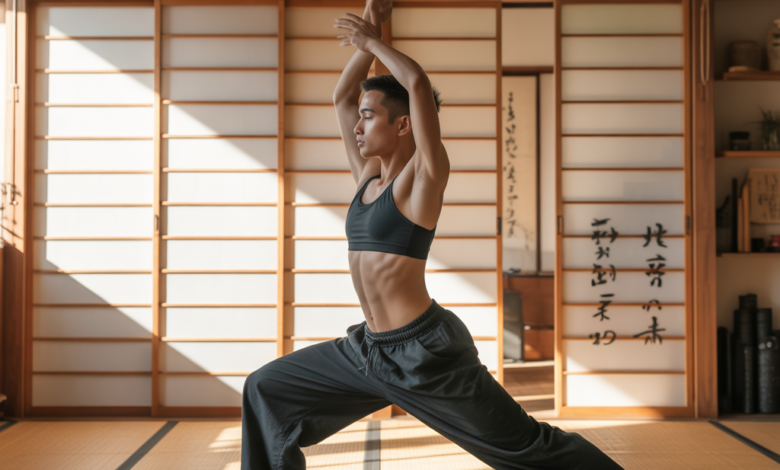
Ever find yourself midday, jaw tight, shoulders hunched, wondering how you’ll make it through another meeting? What if five minutes was all it took to lower your pulse, clear your head, and reset your focus? The 5 minute japanese stress relief approach blends simple breathing, gentle movement, and mindful rituals inspired by Japanese wellness traditions — practical tools you can use anywhere, anytime.
What is 5 minute japanese stress relief?
This short routine borrows from Japanese practices like zazen (seated mindfulness), rajio taiso (radio calisthenics), and mindful tea rituals. It’s designed as a compact, evidence-informed stress-buster that targets the nervous system through breath control, light stretching, and tactile calming techniques. Think of it as a micro-rest: fast to do, easy to repeat, and powerful when practiced regularly.
Core elements: Breath, Movement, Touch, and Ritual
1. Diaphragmatic breathing (Zazen-style)
Start with 60–90 seconds of slow, deep belly breathing. Inhale for a count of 4, hold 1–2 seconds, exhale for 6–8. This taps the parasympathetic nervous system to lower heart rate and reduce cortisol. Keep your jaw relaxed and shoulders soft. Tip: place one hand on your belly to feel the breath move.
2. Gentle mobilization (Rajio taiso inspired stretches)
Move through slow shoulder rolls, neck circles, and a standing forward fold. Each movement should be smooth and mindful, like a short version of the Japanese morning radio exercises. These improve circulation, reduce muscle tension, and signal your brain that movement equals safety.
3. Acupressure and fingertip massage (Anma-lite)
Spend 30–60 seconds pressing gently between your eyebrows, at the base of the skull, and along the inside of the wrists. Use small circular motions on the palm’s center to stimulate calming pressure points. This tactile focus is grounding and instantly distracting from racing thoughts.
4. Mindful sip (tea ritual)
Finish with a slow sip of water or tea. Make each sip deliberate — feel the temperature, taste, and the act of swallowing. This tiny ritual anchors attention and extends the calming effect beyond the five minutes.
Quick 5-minute routine you can do anywhere
Follow this step-by-step plan when stress hits. No equipment required.
- Minute 0:00–1:00 — Breath: 6 deep diaphragmatic breaths (4 in, 1 hold, 6 out).
- Minute 1:00–2:00 — Neck and shoulder rolls (30 seconds each direction).
- Minute 2:00–3:00 — Standing forward fold or seated spine stretch (slow, mindful).
- Minute 3:00–4:00 — Fingertip and palm massage; press the NB point (between brows) briefly.
- Minute 4:00–5:00 — Mindful sip of water/tea; close eyes and notice body sensations.
Want to expand this into a short daily habit? Try pairing it with a walk or post-lunch routine. For more movement-based mini-workouts, see our workout routines.
Variations and workout modifications
Desk version (for the office)
- Remain seated. Do breathing and neck rolls. Place feet flat and do seated cat-cow to mobilize the spine.
- Use fingertip massage and a mindful sip to end — discreet and effective.
Active version (when you want more movement)
- Add two minutes of brisk walking or high knees before the routine for a quick energy reset.
- Combine with dynamic leg swings and hip circles if you’ve been sitting for hours.
Post-workout cool-down
After a strength or cardio session, use the breath and stretching components to lower heart rate and speed recovery. Pair with a light protein snack and see our nutrition guides to optimize recovery.
Why this works: a short science-backed explanation
Deep breathing stimulates the vagus nerve, activating the body’s relaxation response. Gentle movement and stretching increase blood flow and reduce myofascial tightness. Touch and ritual (like sipping tea) focus attention and interrupt rumination, a common driver of anxiety. When combined, these elements offer fast, measurable relief from acute stress.
Daily lifestyle tips to amplify results
- Consistency beats intensity: practice this micro-routine twice daily for compounding benefits.
- Sleep and hydration matter: aim for 7–8 hours and drink water regularly — both reduce baseline stress.
- Microbreaks: take short movement or breathing breaks every 60–90 minutes to prevent tension buildup.
- Mindful rituals: incorporate a slow tea or stretching ritual each morning to center your day.
- Holistic care: pair with longer mindfulness sessions or outdoor time (mini forest-bathing) when possible — see more wellness tips.
Real-world examples: how people use this routine
Anna, a product manager, uses the routine between back-to-back meetings. She says five minutes of breathing and shoulder rolls helps her speak more calmly during presentations. Mark, a delivery driver, uses the desk variation during breaks to ease neck pain. Sarah, a new parent, practices the mindful sip and fingertip massage during diaper changes to quickly release tension.
Frequently Asked Questions
1. Can a 5-minute routine really reduce stress?
Yes. Short, focused practices that combine breath and movement can lower heart rate and interrupt stress cycles. While not a replacement for therapy for chronic anxiety, these micro-routines are effective for momentary stress relief and emotional regulation.
2. Do I need any special training or equipment?
No. The 5 minute japanese stress relief routine requires no equipment and is safe for most people. If you have specific health conditions, consult a healthcare provider before trying new breathing or movement practices.
3. When is the best time to do this routine?
Anytime you feel overwhelmed — between meetings, after intense work, before sleep, or when waking. Consistent practice in the morning and mid-afternoon tends to offer the greatest daily benefit.
Conclusion: Try this 5 minute japanese stress relief routine today
Stress doesn’t have to derail your day. With the 5 minute japanese stress relief routine you can calm your nervous system, ease muscle tension, and regain focus in just a few minutes. Start now: set a timer, follow the steps above, and notice how small, consistent resets improve your mood and productivity. Ready to make this a habit? Bookmark this page, try the routine after lunch, and explore more workout routines and wellness tips to build a fuller stress-management toolkit.
Call to action: Practice the routine today and comment below with how you felt — small changes add up, and your next five minutes could be the best part of your day.