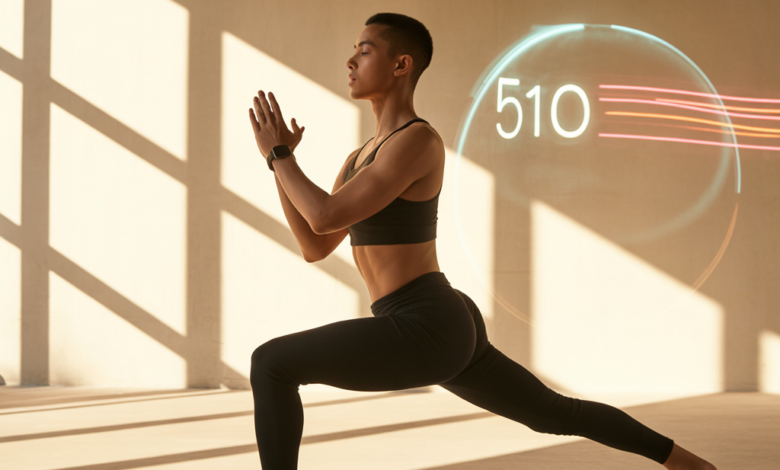
Ever felt your shoulders climb toward your ears at your desk, mid-commute, or while juggling family tasks—and wished you could reset instantly? Imagine a reliable, five-minute routine inspired by Japanese breathwork and movement that melts tension and restores focus. If you have five minutes, you can lower stress, improve posture, and return to your day with more clarity.
Why a 5-minute routine works (and why Japanese methods are ideal)
Short, consistent practices beat occasional marathon attempts. Japanese wellness traditions—simple breathing techniques, mindful stretching, and quick calisthenics like radio taiso—are designed for busy lives. They blend breath, movement, and awareness to switch your nervous system out of fight-or-flight and into calm. That makes them perfect for desk workers, parents, athletes, and anyone needing a fast mental reset.
The science behind quick relaxation
Deep diaphragmatic breathing stimulates the vagus nerve, lowering heart rate and cortisol. Gentle full-body movement increases circulation, breaks muscular holding patterns, and improves mental clarity. Even two to five minutes of deliberate practice activates the parasympathetic system enough to make a measurable difference in mood and focus.
5 Minute Japanese Stress Relief Routine (Step-by-step)
Try this practical, 5-minute routine you can do at home, in the office, or during a break. No special equipment needed.
- 0:00–0:30 — Grounding & posture reset
Stand or sit with feet hip-width apart, shoulders relaxed. Tuck your chin slightly and imagine a string pulling the crown of your head upward. This aligns the spine and primes breathing. - 0:30–1:30 — Kokyu breathing (deep belly breath)
Place one hand on your belly and one on your chest. Inhale slowly through the nose for 4 counts, feel the belly expand (tanden/hara), hold 1 count, exhale for 6 counts. Repeat 3 times. This is a core element of many Japanese breath practices. - 1:30–2:30 — Neck and shoulder release
Sit or stand tall. Slowly drop your right ear toward your right shoulder, hold 10 seconds while breathing. Roll chin gently down and to the other side. Do gentle shoulder rolls: 5 backward, 5 forward to release trapped tension. - 2:30–3:30 — Seated twist or standing spinal rotation
Place left hand on outer right thigh (or on hip if standing). Inhale lengthen, exhale twist to the right, turning from the mid-back. Hold 3 breaths, then switch sides. This quick mobility move eases spinal stiffness and improves circulation to the brain. - 3:30–4:30 — Mini radio taiso (Japanese calisthenics)
Do a gentle sequence inspired by radio taiso: reach arms overhead on an inhale, sweep arms down on an exhale; hinge forward slightly and roll up; perform 10 heel raises to mobilize ankles and calves. This short burst wakes up the body and improves posture. - 4:30–5:00 — Closing breath & intention
Finish with one more kokyu breath, inhale for 4, hold 1, exhale for 6. Set a simple intention: “I return focused” or “I choose calm.” Smile softly and return to your task.
Variations and workout modifications
Make the routine your own with these fitness variations and progressions.
For beginners
- Decrease breath counts (inhale 3, exhale 4) and perform gentler movements.
- Skip heel raises and substitute a seated toe point/flex cycle if standing is uncomfortable.
For active or fitness-minded people
- Add dynamic lunges or bodyweight squats for 30 seconds during the radio taiso segment.
- Integrate a quick 30-second plank after the spinal rotations to engage core and posture muscles.
Practical tips to make this a daily habit
- Anchor the routine to an existing habit (after your morning coffee, mid-afternoon break, or right before logging off). Short, consistent practice builds stress resilience.
- Use a phone timer or a simple 5-minute reminder to create consistency—habit stacking works wonders.
- Customize the sequence for your environment: seated version for the office, standing for the kitchen, walking breathwork for a quick commute reset.
Healthy lifestyle advice to amplify results
Short routines are powerful, but combine them with healthy habits for long-term stress reduction:
- Prioritize sleep and a consistent schedule to reduce baseline stress levels.
- Hydrate regularly and eat whole-food meals—blood sugar swings amplify anxiety.
- Move often: mini workouts, stretching, and walking breaks complement the five-minute routine and support recovery.
- Practice mindfulness beyond the routine—short mindful tea breaks or focused breathing before meetings can reinforce calm throughout the day.
Real-world examples: who this helps
- Office professional: Uses the routine before afternoon meetings to shed neck tension and center focus.
- Parent on the go: Steals two 5-minute sessions—one before school drop-off and one after bedtime—to reset energy.
- Athlete or fitness enthusiast: Adds the sequence as an active recovery tool between training sets or on rest days.
Frequently Asked Questions
1. Is 5 minute Japanese stress relief really effective?
Yes. Short, focused practices that combine breathwork and movement can quickly lower heart rate and reduce muscle tension. While they don’t replace longer therapies or consistent routines, five minutes of deliberate practice several times a day produces noticeable benefits.
2. Can I do this routine at my desk or in a small office?
Absolutely. The sequence includes seated alternatives (neck releases, kokyu breathing, seated twists). The radio taiso portion can be modified to small, discreet arm reaches and ankle pumps so coworkers won’t be disturbed.
3. How often should I practice to see results?
Daily practice is ideal. Even one 5-minute session in the morning and another in the afternoon can reduce stress and improve focus. Aim for consistency over intensity—regular micro-practices compound into lasting calm.
Conclusion — Try this 5-minute Japanese stress relief now
When life presses in, the quickest path back to balance can be a simple, five-minute routine rooted in Japanese breathwork and mindful movement. Whether you need an office reset, a pre-meeting calm down, or a daily habit for better focus, this practice is portable, effective, and easy to customize. Try the routine today, bookmark it, and come back to build it into your day-to-day wellness. Want more structured short workouts or nutrition advice to boost results? Check out our workout routines and wellness tips pages for additional tools and variations.
Call to action: Do this 5-minute routine now. Notice how you feel afterward, then commit to trying it for a week—small steps create big change.